
In the golden autumn of October, with ripened rice waving in the breeze and clear skies over the “Banyan City” of Fuzhou, Fujian-Taiwan Marine Technology Innovation (Ship Pollution Prevention Technology) Seminar, was successfully held in scenic Fuzhou from October 16 to 17, 2025, as part of the sub-forums of 2025 World Marine Equipment Conference.
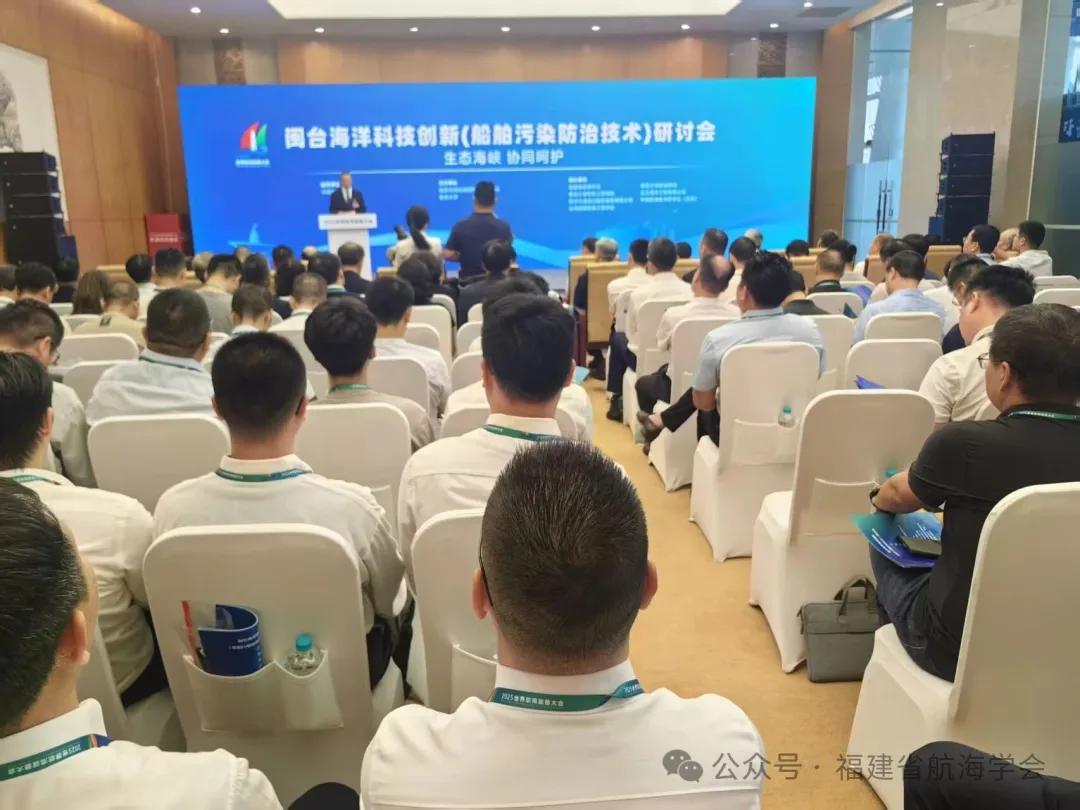
Guided by China Institute of Navigation and co-hosted by Fujian Shipping Group and Jimei University, the seminar was jointly organized by seven institutions from Fujian and Taiwan under the leadership of the Fujian Navigation Society. On the theme of “Eco-Friendly Strait, Joint Protection,” the seminar aimed to deepen cross-Strait collaborative development in the field of marine (ship) pollution prevention, promote the sharing of technological resources and innovation cooperation, and foster new quality productive forces in this sector.
The seminar was attended by several leaders, who also delivered their speeches at the opening ceremony, including Yuan Yi, Vice President of the Standing Committee of Fujian Provincial People’s Congress; Lin Zhiliang, Deputy Mayor of the Fuzhou Municipal People’s Government; Li Shixin, Executive Vice President of China Institute of Navigation (CIN); and Dong Guosong, Member of the Party Leadership Group of Fujian Maritime Safety Administration. Attendees also include Hu Ya’an, Academician of Chinese Academy of Engineering and researcher at the Nanjing Hydraulic Research Institute under the Ministry of Water Resources, Ministry of Transport, and the National Energy Administration, who delivered the report on it.
A number of distinguished guests also gathered to witness this significant event in cross-Strait marine technology exchange, including Shi Pinghe, former Vice Governor of Jiangsu Province and President of the Jiangsu Comprehensive Transportation Society; Zhang Baochen, President of the International Association of Institutes of Navigation and Vice President of CIN; Tian Wenguo, President of the Chinese Navigation Technology Research Association(Taiwan) and Professor at National Taiwan Ocean University; Xiao Rongfa, President of the Taiwan Society of Shipping Mechanical Engineering; Chen Changping, President of Quanzhou Normal University; Yu Kewei, Vice President of National Kaohsiung University of Science and Technology; and Wu Liangqi, President of Fujian Shipping Group Co., Ltd.. Over 160 representatives from both sides of the Strait attended the seminar, including seasoned experts with decades of experience in the maritime sector as well as corporate executives advancing practical applications, contributing diverse expertise to the seminar.
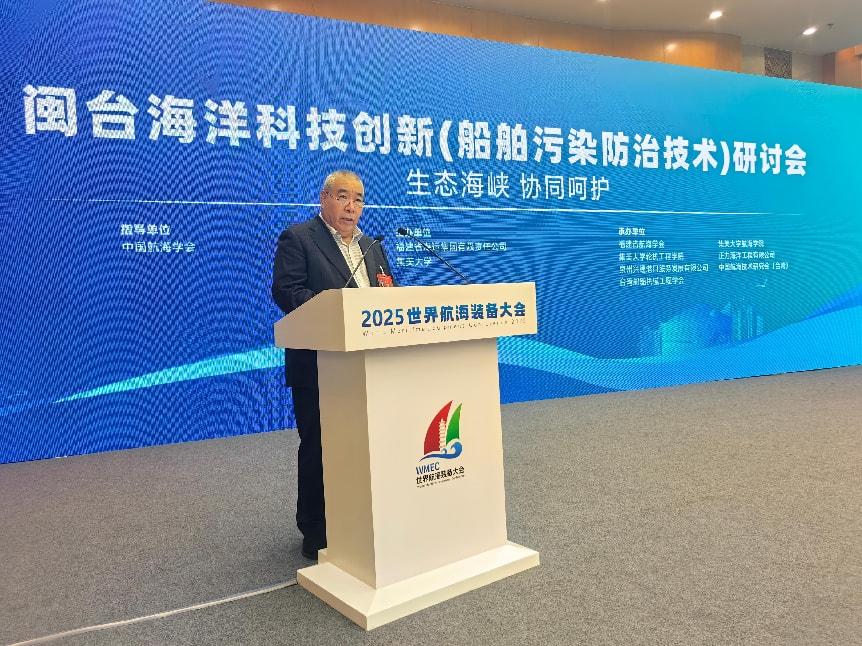
Image: Li Shixin, Executive Vice President of CIN, delivering a speech at the Seminar.
In his speech, Li Shixin emphasized that the ocean is “the cradle of life on Earth” and a vital resource treasure for human development, holding a irreplaceable position in global economic and social progress. As a key pillar of the marine economy, Ship transportation sees a continous rise in its scale and volume. Strengthening marine (ship) pollution prevention has become an urgent priority for achieving sustainable development of the marine economy and safeguarding our blue homeland. He hoped that the port and shipping industries on both sides of the Strait would fully leverage the policy advantages of Fujian-Taiwan integrated development, deepen collaboration and sharing in technology, talent, and resources, jointly promote science and technological innovation in marine (ship) pollution prevention, and cultivate new quality productive forces. This would inject strong momentum into Fujian Demonstration Zone for Integrated Development across the Taiwan Strait and a pilot area for building a transportation powerhouse in Fujian. He stated that CIN has long been promoting the cross-Strait cooperation and mutual benefit in navigation technology. With an open and inclusive attitude, it is committed to eliminating regional barriers, strengthening cooperation across academia, industry, and research, and enhancing the innovation capacity and overall efficiency of the port and shipping industry. Through resource sharing and mutual trust, CIN aims to facilitate the transformation of scientific and technological achievements, achieve multi-win outcomes, and drive the coordinated development of the port and shipping industry chain. Looking ahead, it will continue to support the development of Fujian’s navigation industry, encourage navigation academic exchange activities in Fujian, support the Fujian Navigation Society in carrying out its work, further strengthen exchanges and interactions with the Taiwan’s navigation technology community, expand cooperation areas, innovate cooperation models, and work tirelessly to promote cross-Strait navigation technology collaboration and realize the dream of building a maritime power.
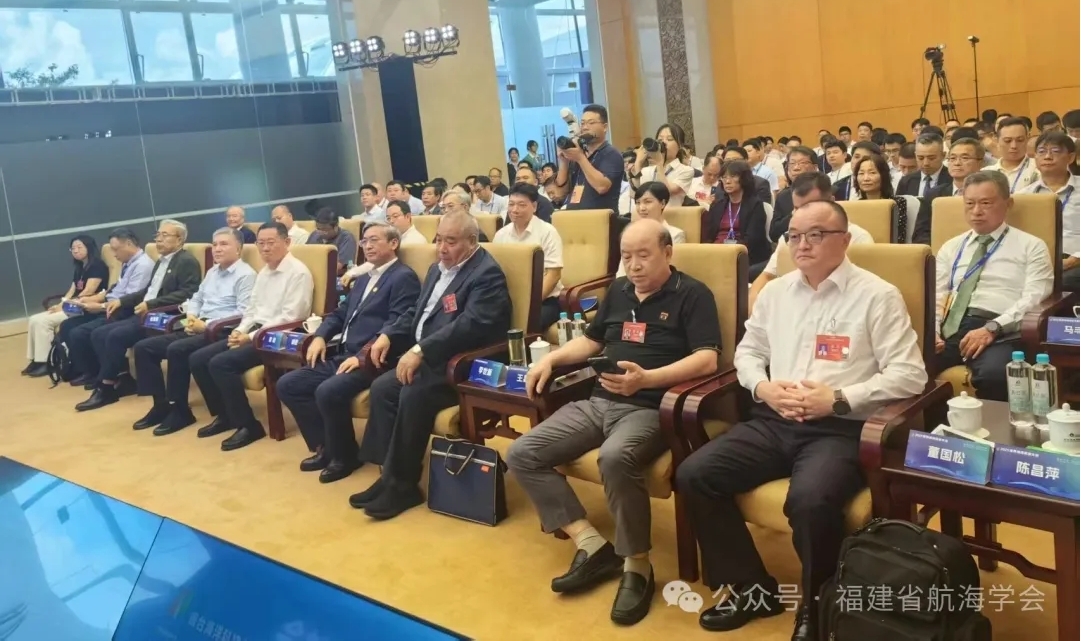
Image: Leaders and guests attending the seminar.
Academician Hu Ya’an, Professor Tian Wenguo, and other renowned experts in the field, shared their cutting-edge insights and practical experience from various dimensions, including breakthroughs in ship pollution prevention technologies and the establishment of cross-Strait collaboration mechanisms, based on their research achievements in their respective fields. Their presentations combined theoretical depth with practical application, not only illuminating industry development paths for participants but also setting the stage for this “academic feast”.

Image: Academician Hu Ya’an delivering a keynote speech.
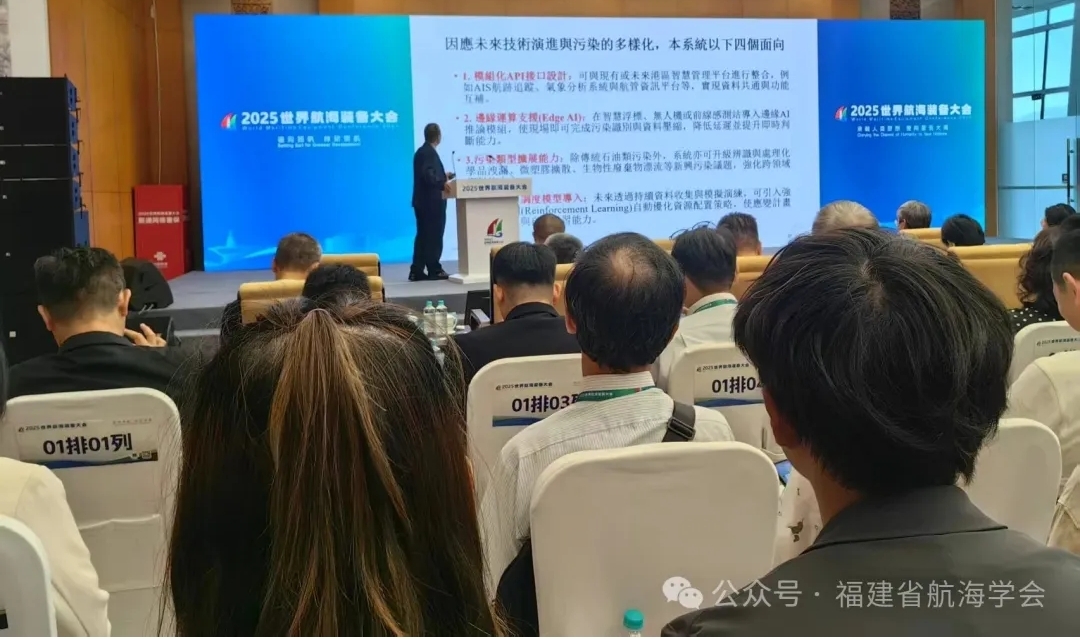
Image: Professor Tian Wenguo from Taiwan delivering a keynote speech.
On the morning of October 17, the seminar entered the themed discussion session. Nine experts from both sides of the Strait engaged in in-depth exchanges on core issues of ship pollution prevention. Their discussions spanned multiple specialized areas, from efficient response solutions for onboard hazardous chemical emergencies, and technologies for controlling harmful organisms spread via ballast water, to accurate carbon footprint accounting and emission reduction pathways for shipping, emergency response systems for marine oil spills, and the development and application of intelligent anti-fouling monitoring systems. The experts openly shared their latest research findings and practical case studies, offering content rich in both professionalism and applicability. Their contributions injected new impetus into cross-Strait marine ecological protection efforts and provided valuable technological pathways and practical models for coordinated industry development.
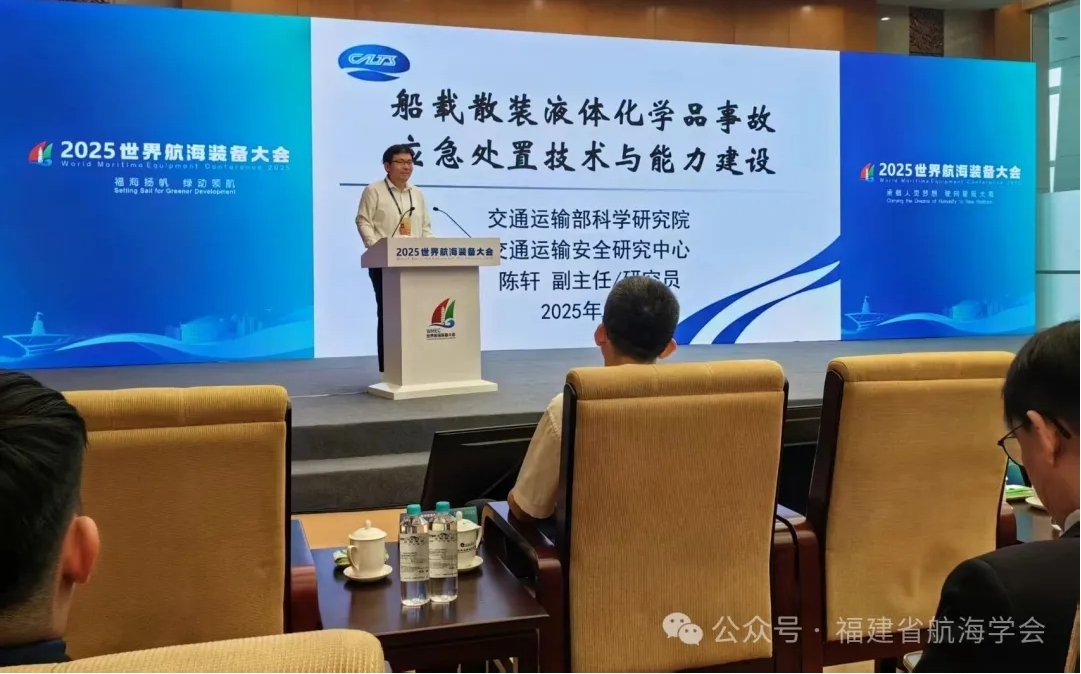
Photo: Mr. Chen Xuan, researcher of Academy of Scientific Research, the Ministry of Transport’s, delivering a keynote report.

Photo: Prof. Zhuang Xueqiang, Jimei University, delivering a keynote report.
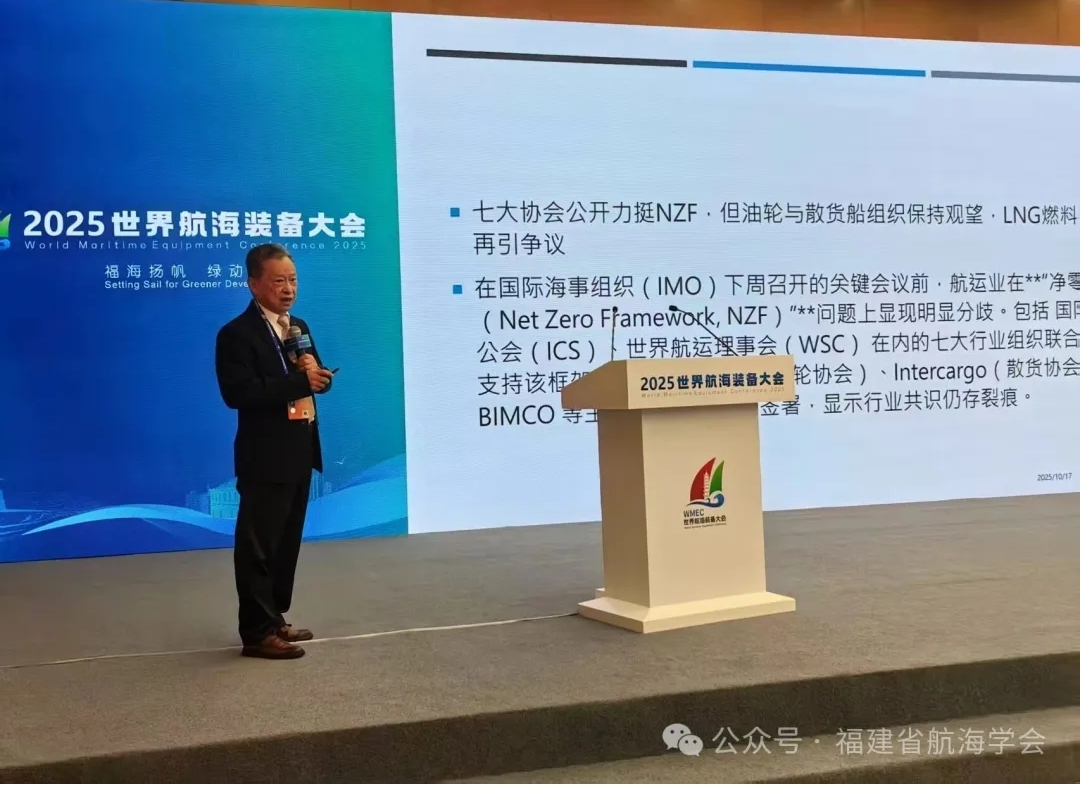
Photo: Prof. Ma Fengyuan, National Taiwan Ocean University, delivering a keynote report.
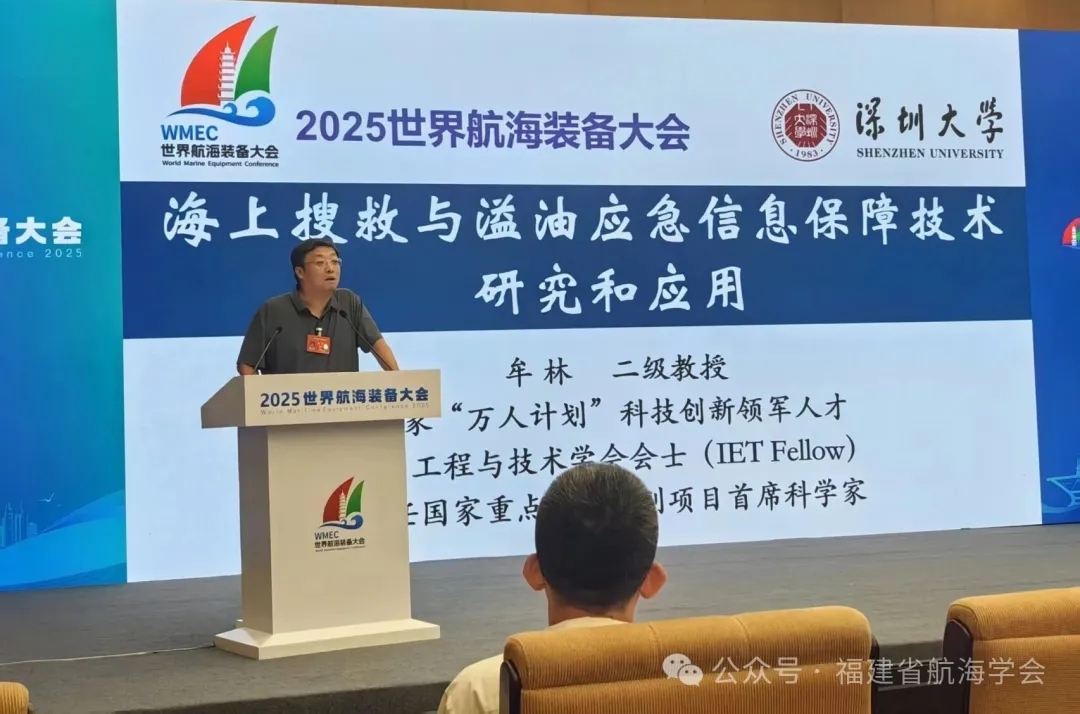
Photo: Prof. Mou Lin, Shenzhen University, delivering a keynote report. 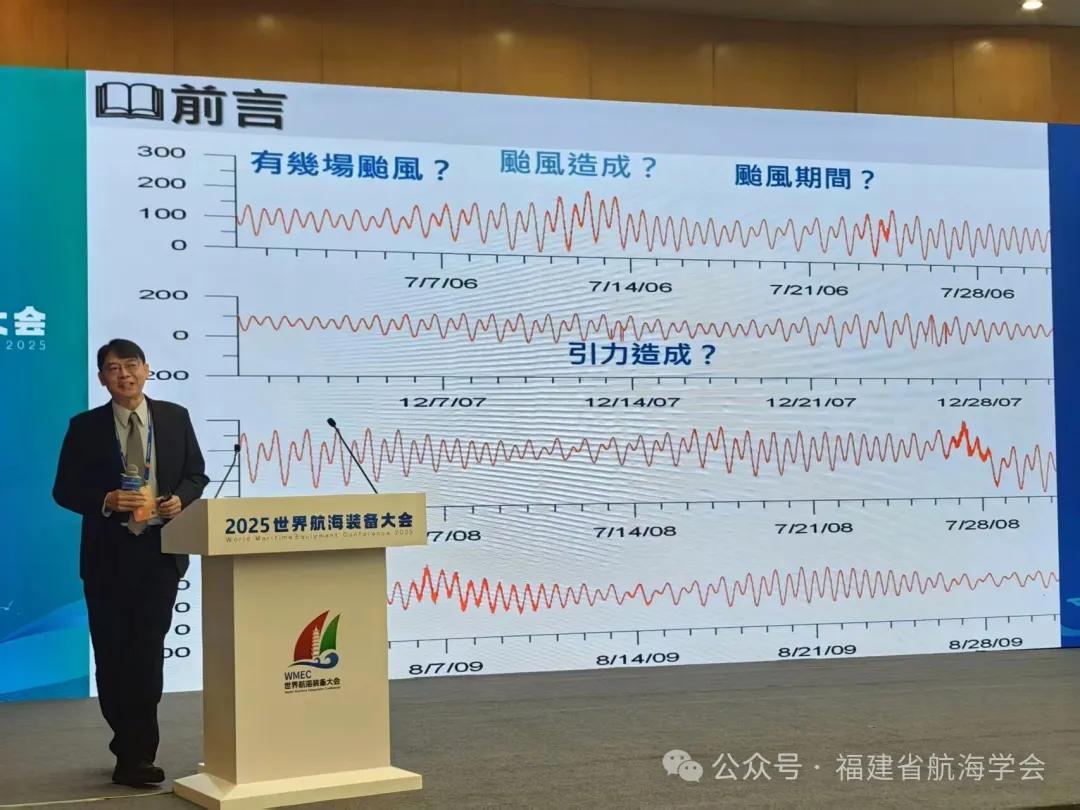
Photo: Prof. Xie Zhimin, National Kaohsiung University of Science and Technology, delivering a keynote report.
On the afternoon of 17 October, the symposium organized the Taiwan delegates for a technical tour to Fuqing city, Fujian Province, following the approved agenda. At the Wanhua Chemical Fujian Terminal Co., Ltd. in Jiangyin Port Area, delegates observed a modern chemical-terminal management system and learned how intelligent technologies are applied to the full-process supervision of hazardous-cargo storage and transport. At Fuzhou Ship-Source Oil-Spill Emergency Equipment Depot, they inspected a variety of marine oil-spill response technologies, gaining first-hand insight into the mainland’s technical capacity and stockpiles for ship-pollution emergency preparedness. The site visits shifted cross-strait exchanges from “theory” to “practice”, deepening mutual understanding of each side’s technology-application scenarios.
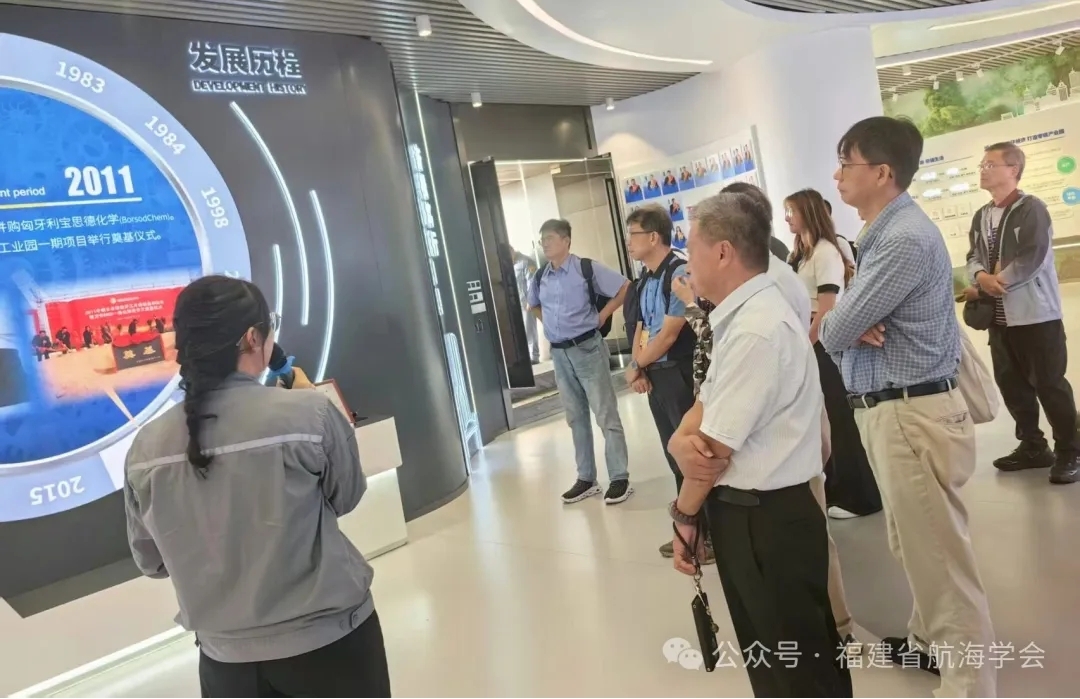
Photo: Taiwan delegates visiting Wanhua Chemical Fujian Terminal Co., Ltd.
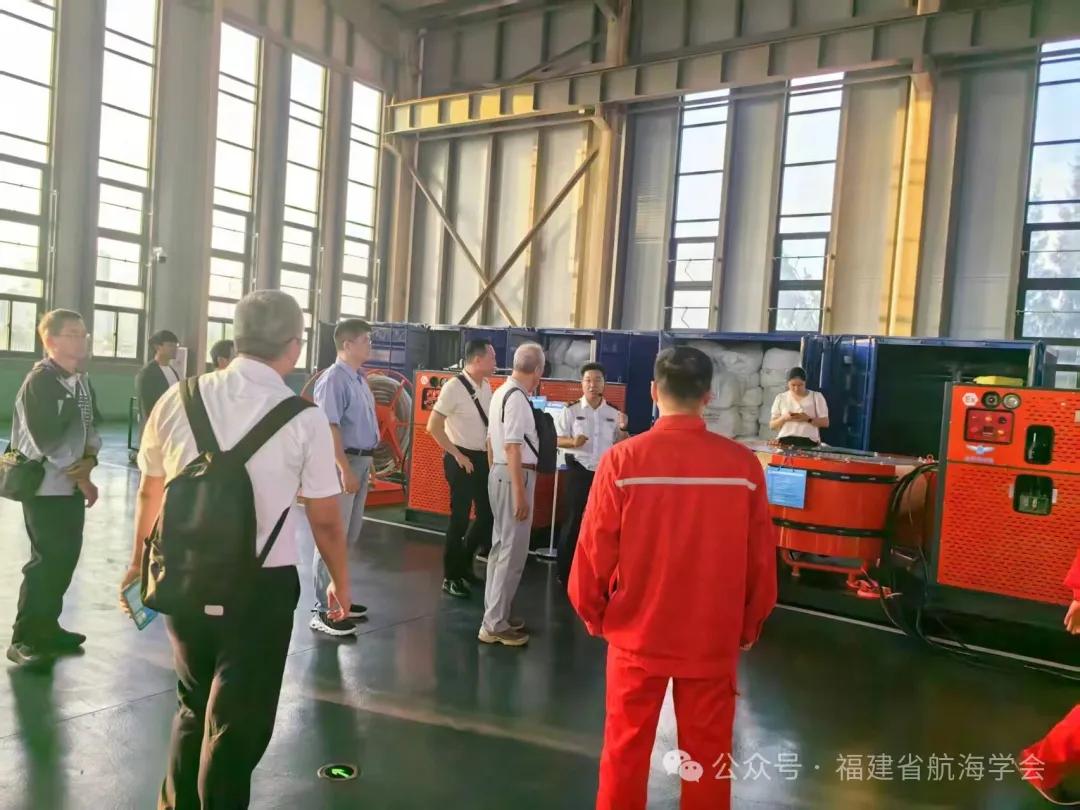
Photo: Taiwan delegates visiting Fuzhou Ship-Source Oil-Spill Emergency Equipment Depot.
In the evening, the organizers arranged a visit to the Mawei Ship Biulding Park for a performance of “Memories of Ship Administration”, an immersive show that recalled the glory of Fuzhou shipping school and underscored the common cultural roots of cross-strait shipping.
During the symposium period, all delegates also toured 2025 World Marine Equipment Conference, experiencing the global technological revolution and industrial trends in marine equipment at close quarters, thereby broadening horizons for future collaboration on ship-pollution-prevention technologies.
With the completion of all agenda items, the symposium has now drawn to a close. Over the past two days, centered on the theme of "Marine Science and Technology Innovation in Fujian and Taiwan (Ship Pollution Prevention and Control Technologies)," the symposium has effectively served as a platform for professional exchange and cooperation in the field of marine environmental protection across the strait. Experts and scholars from both sides engaged in in-depth discussions on key technologies, policy standards, and practical cases related to ship pollution prevention. These exchanges not only enhanced the academic level and consensus on jointly safeguarding marine ecosystems and controlling ship pollution but also strengthened the shared determination to build a "clean strait and healthy ocean." What was particularly valuable was that the symposium consistently adhered to the principles of being "non-governmental, technology-focused, grassroots-oriented, and inclusive." The open and collaborative atmosphere allowed marine science and technology professionals from both sides to deepen mutual understanding and build trust through mutual learning, thereby further consolidating the foundation for non-governmental sci-tech exchanges. From sharing cutting-edge technologies to analyzing practical cases, from building consensus to exploring future cooperation, every segment of the symposium reflected the common aspiration of compatriots on both sides to protect the blue homeland and promote the development of marine initiatives. The symposium ultimately achieved outcomes that exceeded expectations, laying a solid foundation for sustained cooperation between the two sides in the field of marine (ship) pollution prevention and control.