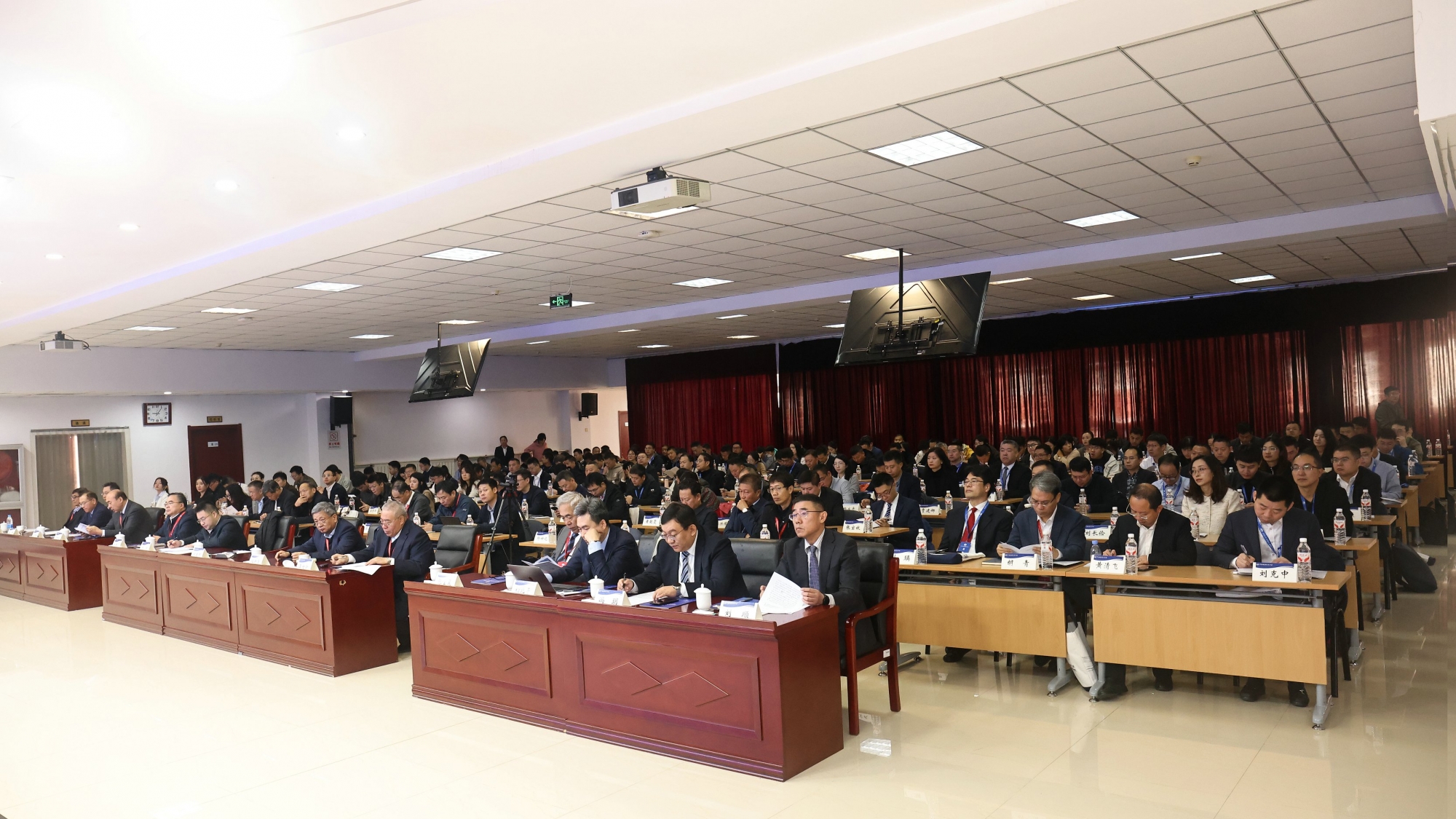
2025 China Navigation Academic Annual Conference was held in Beijing. Under the theme “Scientific and Technological Innovation Empowering Green, Low-Carbon and Smart Shipping”, delegates exchanged research results, showcased innovative ideas and jointly promoted high-quality shipping development.
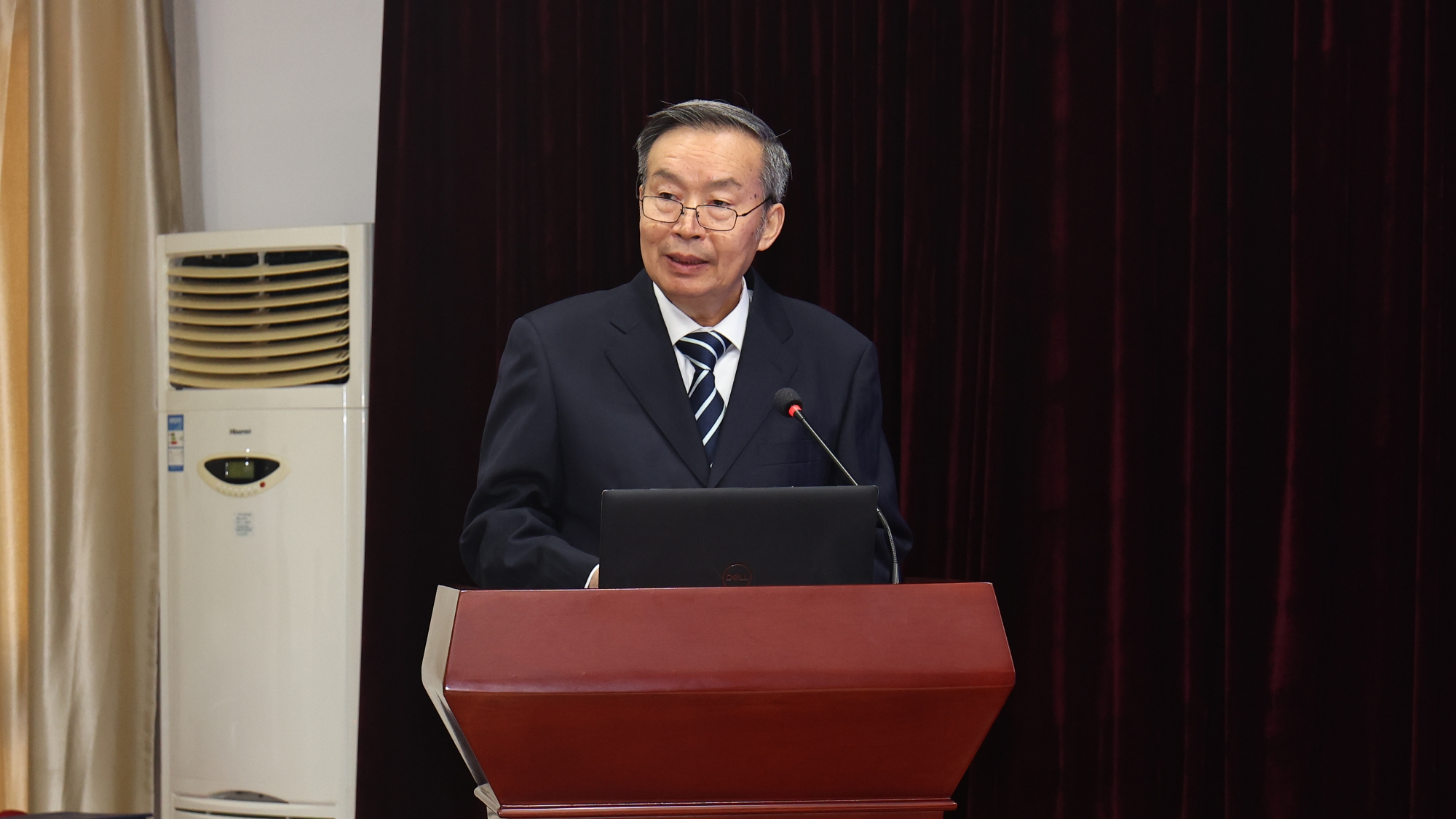
He Jianzhong, President, China Institute of Navigation
He Jianzhong, President of the China Institute of Navigation, delivered a themed speech, systematically outlining the transformation pathways and development directions for the shipping industry. Firstly, it is essential to grasp the global trend of maritime transformation and deeply understand the era's requirements for the industry's transition. The global shipping industry is undergoing a profound transformation centered on green, low-carbon, and smart technologies. In China, the "dual carbon" goals have been integrated into the overall framework of ecological civilization construction. As a critical component of the comprehensive transportation system, the shipping industry urgently needs to leverage technological innovation to overcome development bottlenecks. Secondly, multi-pathway collaboration is crucial to solidify the foundation for green and low-carbon development. This involves strengthening the application of clean energy, with zero-carbon fuels such as methanol, ammonia, and hydrogen becoming industry focal points. China has made positive progress in the practice of new energy vessels. Enhancing ship energy efficiency and operational efficiency is also key, achieved through technological innovations like lightweight ship design, hull form optimization, and low-friction coatings, as well as intelligent route planning and digital management of shore power to reduce energy consumption and port carbon emissions. Additionally, developing carbon capture and circular technologies will provide technical reserves for medium-to-long-term deep decarbonization. Thirdly, intelligence should lead the way in cultivating new quality productive forces for shipping development. Building an intelligent navigation technology system, advancing digital upgrades in shipping, and strengthening the standards and safety foundations for smart shipping are imperative. Fourthly, integration and symbiotic development are needed to build a collaborative innovation ecosystem involving industry, academia, research, and application. This entails deepening cross-sector collaboration to fuse technological innovation with industrial innovation, leveraging young scientific and technological talents as the main force, and creating open, shared industrial alliance platforms to propel China from the technological follower to an innovative pioneer.
He Jianzhong put forward four initiatives: First, strengthen the guidance of science and technology, make breakthroughs in key core technologies, and promote the localization substitution of green and intelligent ships; Second, promote dual-driven development by policies and the market, improve incentive policies such as shore power utilization and green fuel subsidies, and form a development trend of inland new energy vessels featuring "multiple energy sources operating in parallel and expanding in a phased and sequential manner"; Third, strengthen international cooperation and align with international rules, actively participate in the standard-setting of international organizations, and support Hong Kong and other places in building green fuel trading centers; Fourth, focus on talent cultivation and the nurturing of an innovative culture, deepen maritime education reforms, establish a fault-tolerance mechanism, and create an open and inclusive innovative atmosphere.
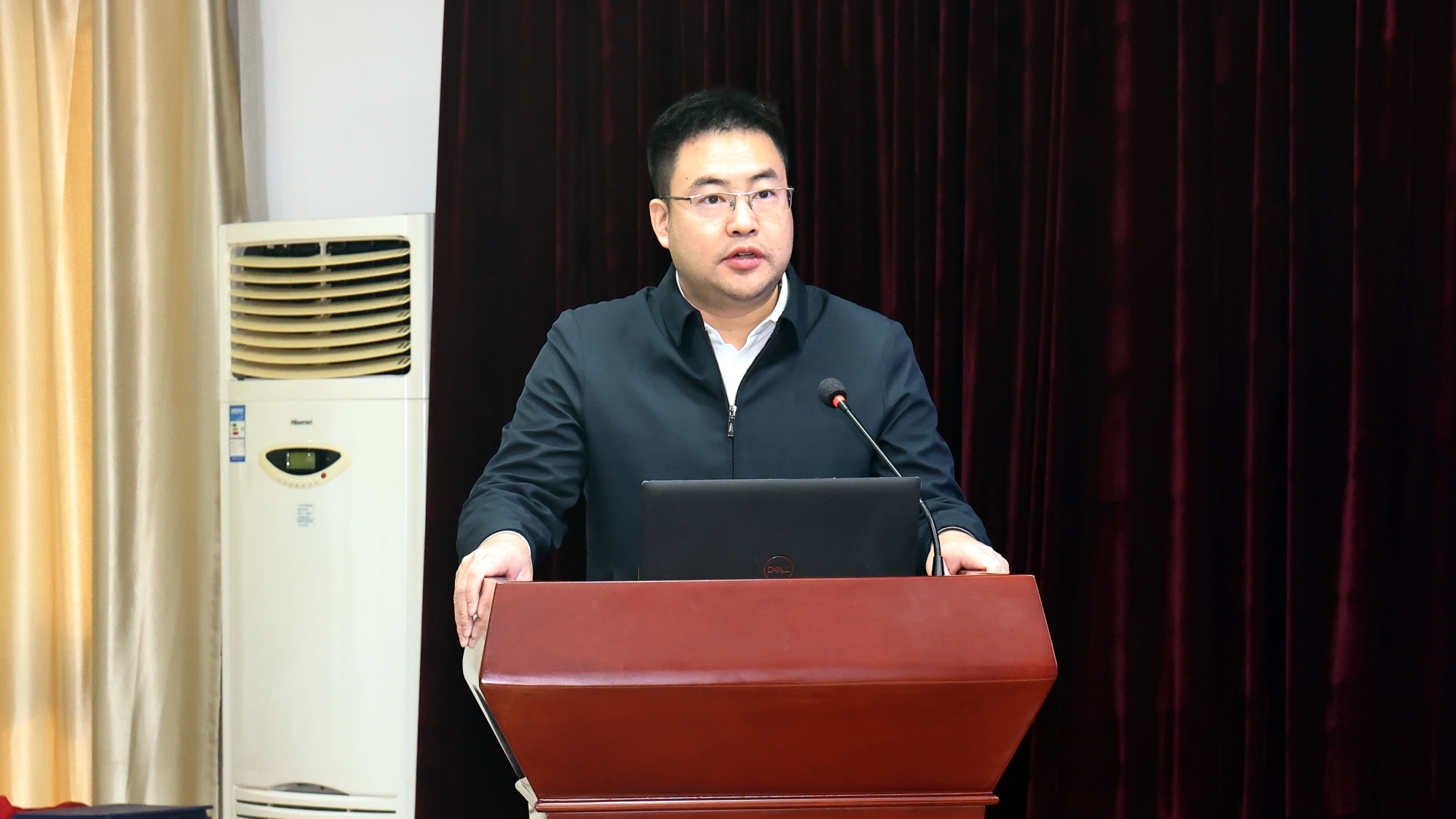
He Ming, Deputy Director-General of the Science and Technology Department of the Ministry of Transport
He Ming, Deputy Director-General of the Science and Technology Department of the Ministry of Transport, fully acknowledged the work of China Institute of Navigation. He stated that the institute has closely adhered to the main line of accelerating the construction of a transportation powerhouse, playing an active role in pooling industry wisdom, stimulating innovation momentum, and driving technological transformation. Prizes and benchmarks ignited a "powerful engine" for transportation technological innovation; The effort to build platforms and gather collective wisdom constructed a "new highland" for transportation technological innovation; and unified efforts promoted development and cultivated a "new ecosystem" for transportation technological innovation.
He Ming said that the Party Leadership Group of the Ministry of Transport attaches great importance to technological innovation in transportation and has deployed a series of key tasks. The institute should accurately grasp the new situations and requirements, focusing on "three joint efforts," namely, jointly conducting artificial intelligence applications, jointly constructing high-quality datasets, and jointly promoting the construction of the National Information Platform 2.0, and fully participate in the ministry's key tasks. He hoped that the institute would continue to leverage its advantages, further facilitate communication channels between the government and the market, as well as between scientific research and applications, utilize the resource advantages of its member units and experts, actively participate in scientific research endeavors in the shipping field, build high-level promotion platforms, and promote the deep and organic integration of industry, academia, and research.

Li Shixin, Executive Vice President of the China Institute of Navigation
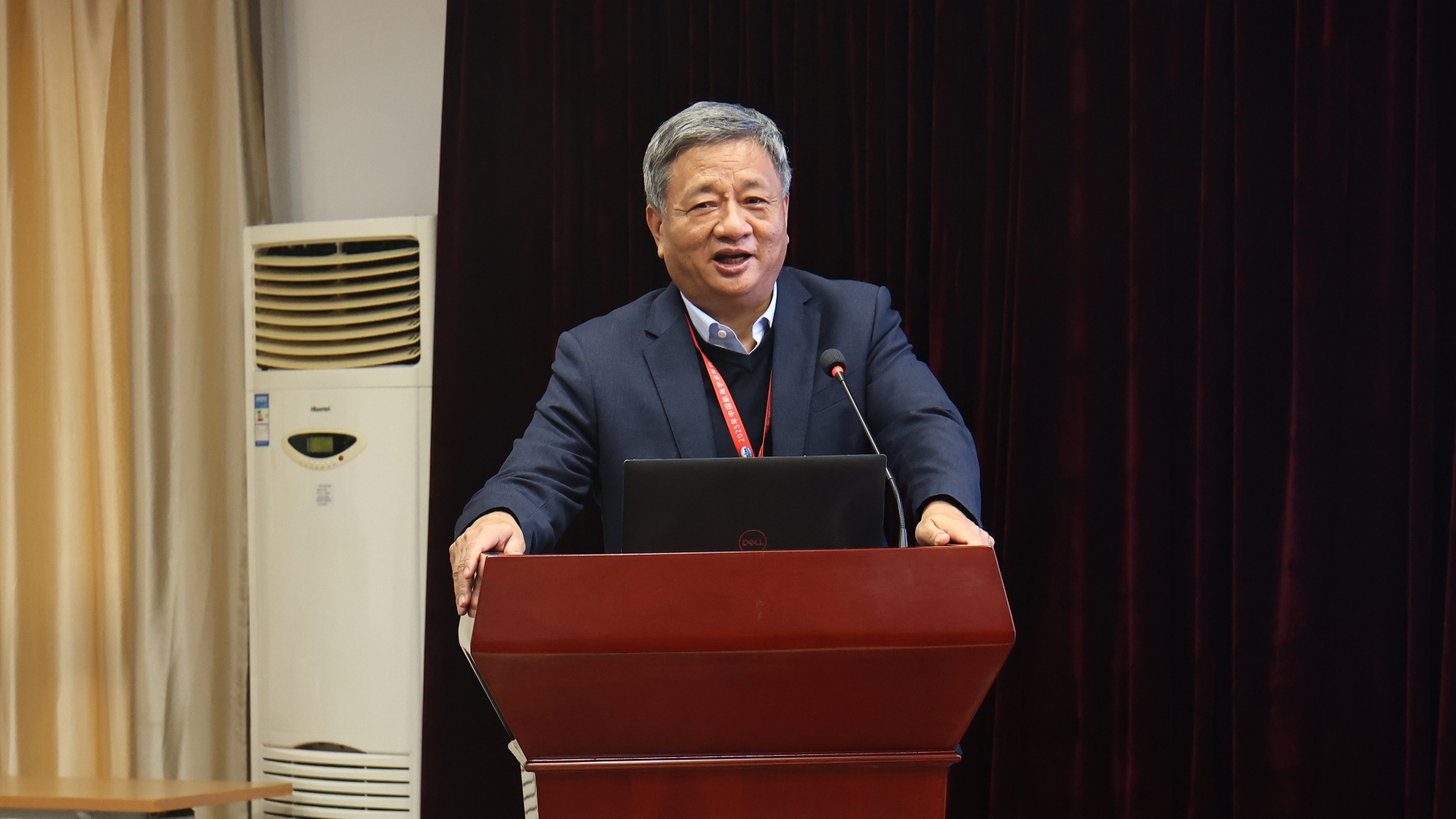
Niu Xinqiang, Chief Scientist of Changjiang Design Group and Academician of the Chinese Academy of Engineering
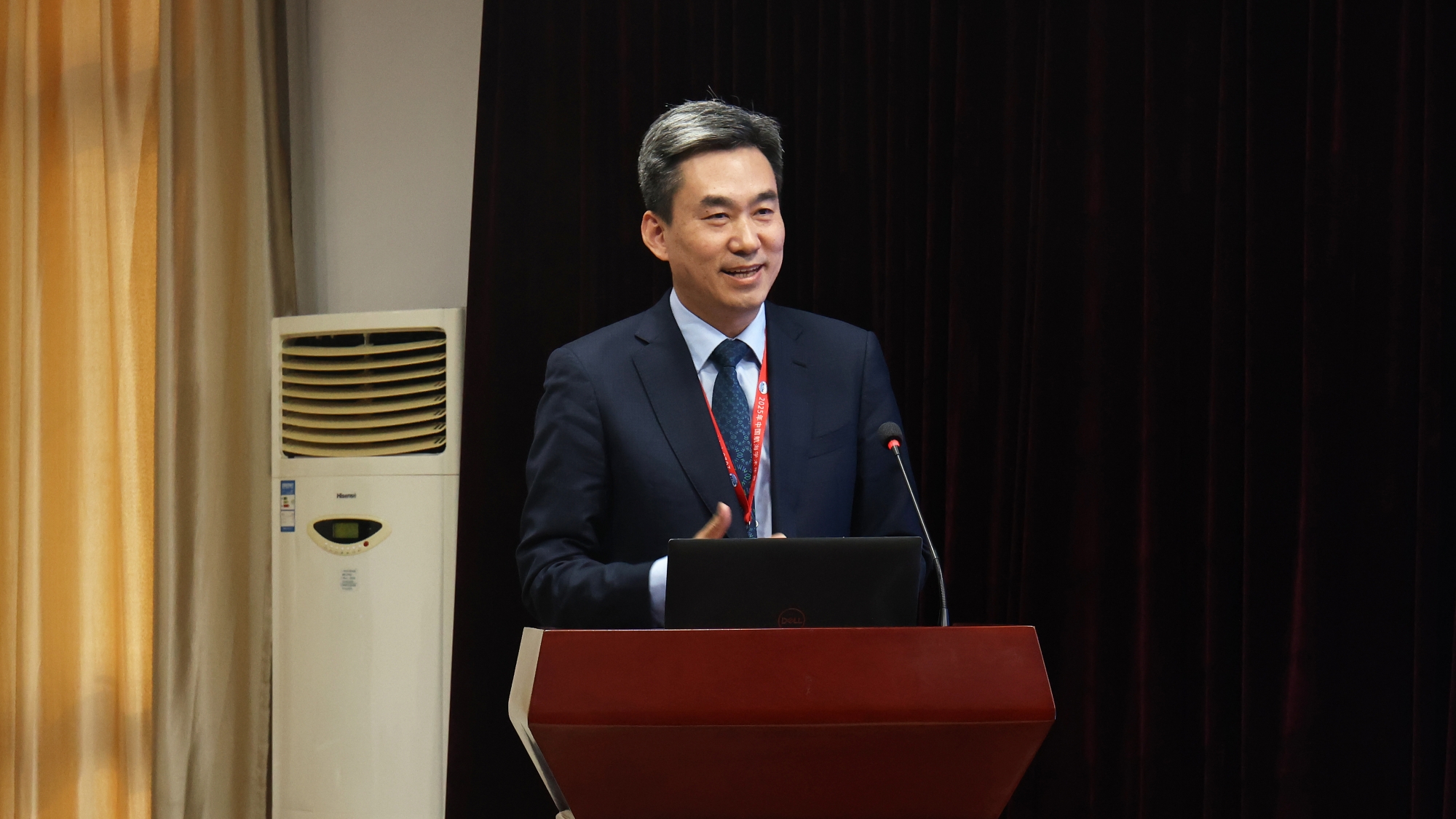
Chu Beiping, President of Shanghai Maritime University
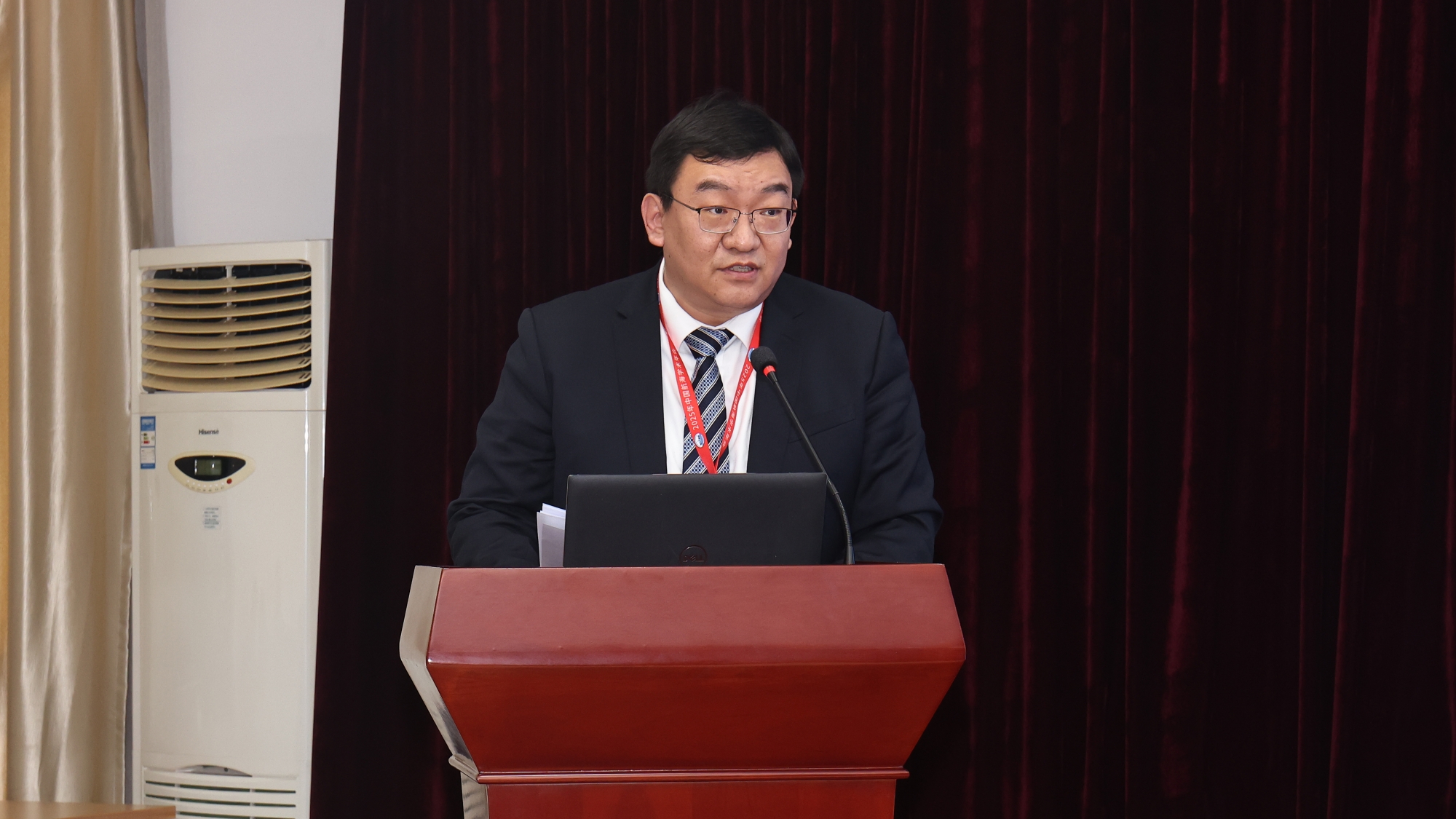
Feng Yue, Vice President of the Water Transport Research Institute of the Ministry of Transport
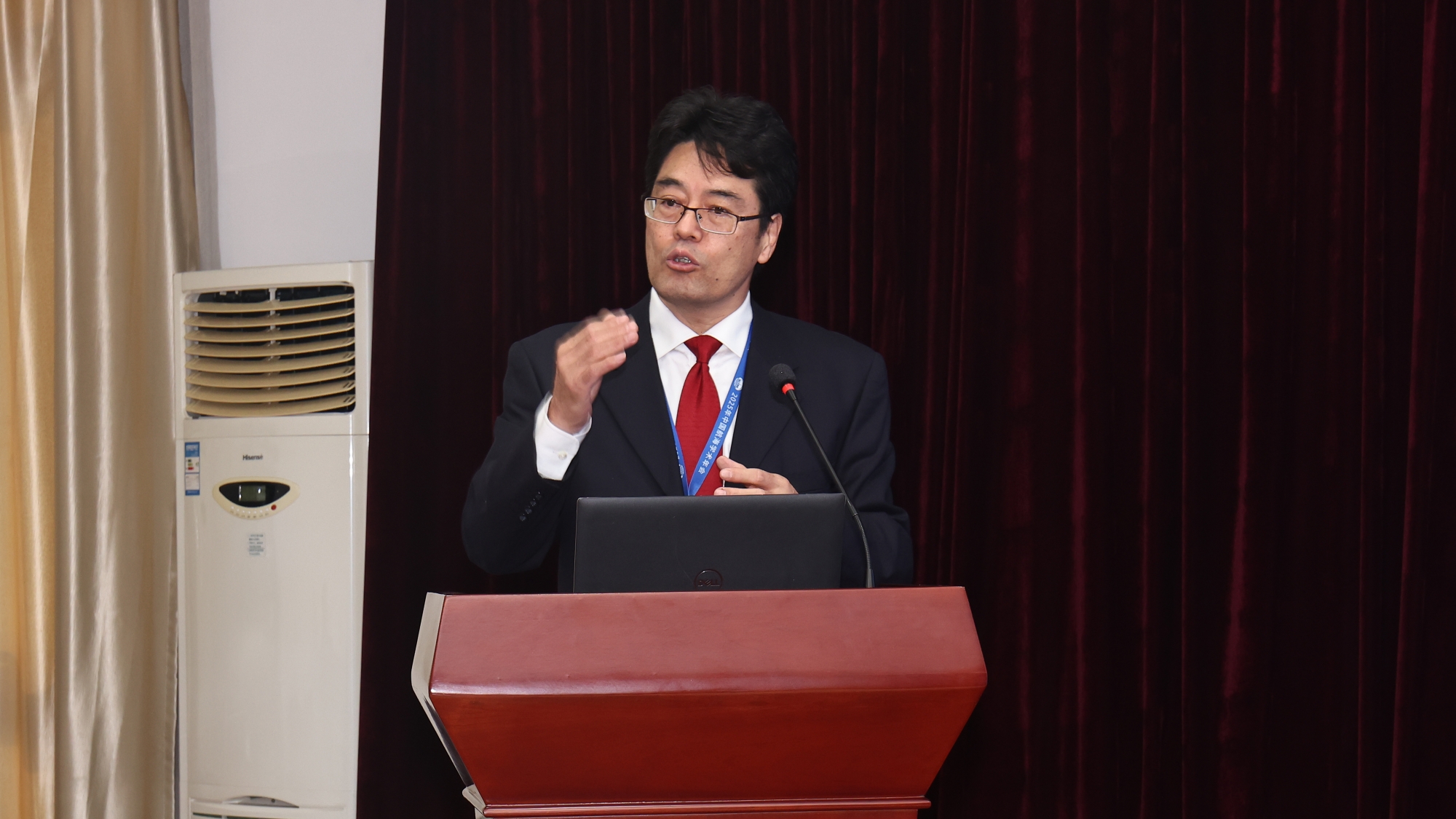
Liu Yu, Professor at the School of Environment, Dalian Maritime University
The conference was chaired by Li Shixin, Executive Vice President of the China Institute of Navigation. Niu Xinqiang, Chief Scientist of Changjiang Design Group and Academician of the Chinese Academy of Engineering; Chu Beiping, President of Shanghai Maritime University; Feng Yue, Vice President of the Water Transport Research Institute of the Ministry of Transport; and Liu Yu, Professor at the School of Environment, Dalian Maritime University, respectively delivered academic reports on topics such as "Technological Development and Practice of Large-scale Ship Locks in Water Conservancy Hubs," "An Overview of the Revision of the Maritime Code of the People's Republic of China under the Background of Enhancing Shipping Competitiveness in the New Era," "Technological Innovation Empowering the Green and Low-carbon Transformation of Shipping," and "Key Technologies and Prospects for Intelligent Perception of Strategic Transportation Security."

Liu Shun, Executive Secretary-General of the China Institute of Navigation
Liu Shun, Executive Secretary-General of China Institute of Navigation, introduced the main contents of the "Report on the Development of China's Maritime Science and Technology (2025 Edition)." It is reported that the report consists of one general report and seven sub-reports, covering seven professional fields including ship navigation, ship electro-mechanical systems, waterway and offshore engineering, ports, passenger and cargo transportation and shipping management, safety supervision and maritime navigation support, and maritime culture and education. The simplified version of the report was released this time. Over the past five years, China's maritime science and technology has shown a vigorous momentum of rapid development and achieved remarkable results, with continuous breakthroughs in major technological and theoretical innovations in maritime science and technology, technological applications, and engineering cases. Breakthroughs have been made in the construction of special ships, automated terminals, intelligent shipping, and deep-sea exploration, with the construction of national treasures such as the "Adora Magic City," "Zhifei," "Dream," and "Tiankun," as well as major projects such as the Shenzhen-Zhongshan Link and the Pinglu Canal. Compared with the "13th Five-Year Plan" period, China's maritime science and technology has overall transitioned from "generally catching up, making breakthroughs at multiple points, and leading in some areas" to a state where "following, running side by side, and leading coexist, with faster speed and better level." In the next five years, with the in-depth development of a new round of scientific and technological revolution and industrial transformation, maritime science and technology will exhibit development trends such as more extensive and in-depth intelligent applications, accelerated green transformation, innovation-driven development through digital empowerment, and continuous strengthening of safety technologies.
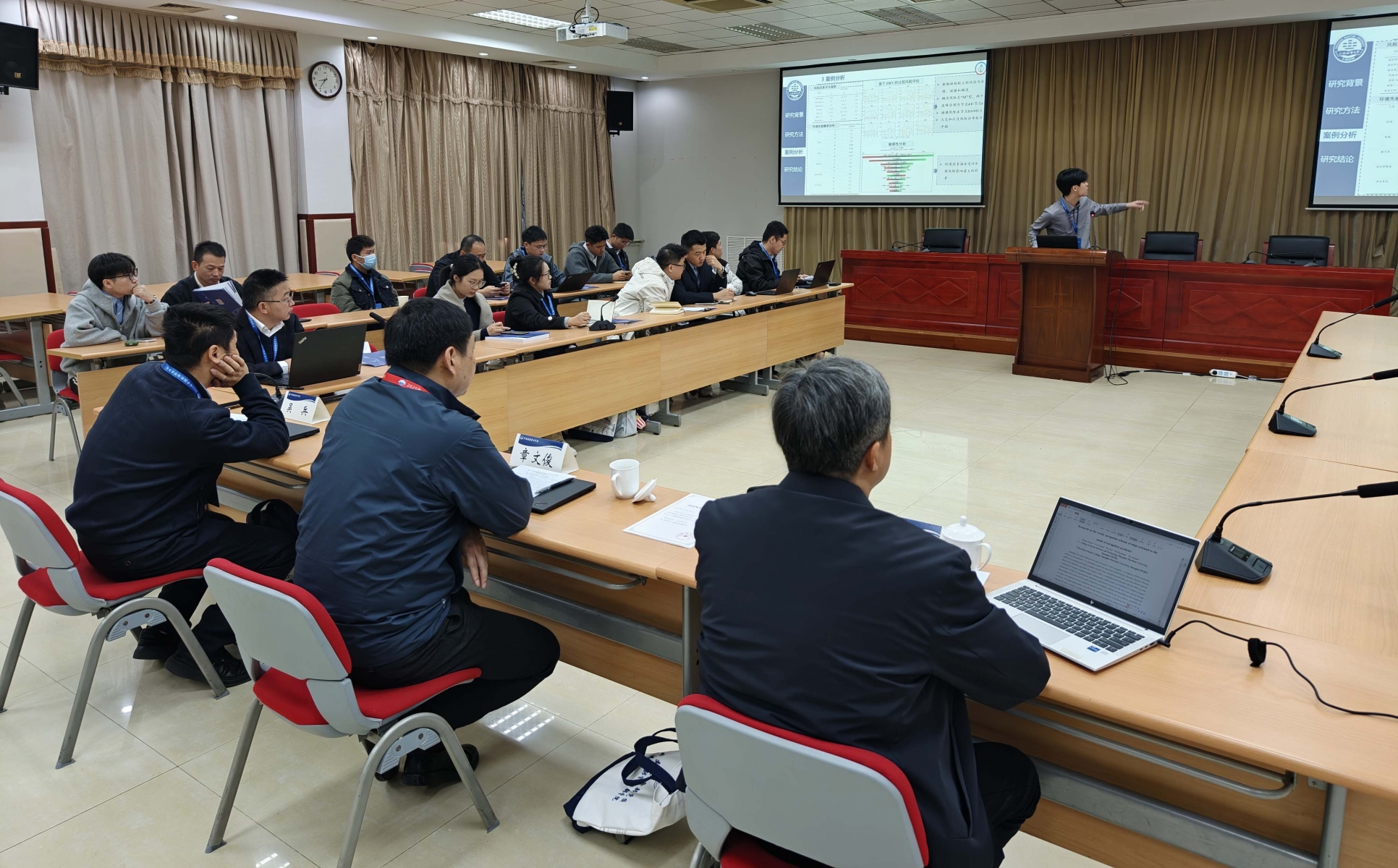
Academic Paper Exchange
During the academic annual conference, more than 150 scientific and technological workers and doctoral students in the maritime field from across the country participated in the academic paper exchange. After evaluation by the academic committee of the conference, 26 papers were awarded the Annual Paper Award and 52 papers were awarded the Conference Paper Award. Guo Wenqiang and 21 other doctoral students were selected as recommended presenters at the conference.
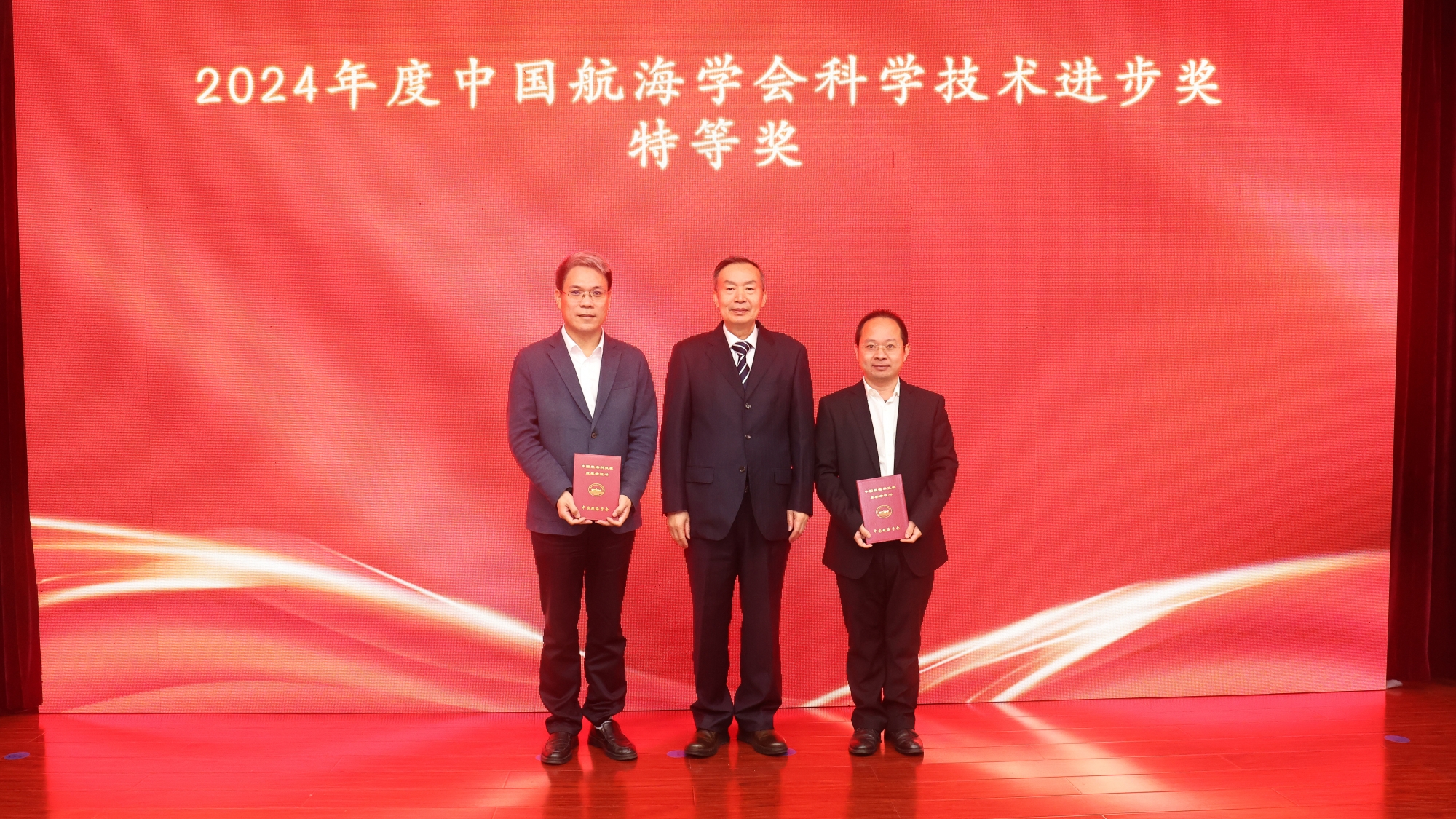
Special Prize of 2024 Navigation Science and Technology Progress Award
First Prize of 2024 Navigation Science and Technology Progress Award / Technological Invention Award
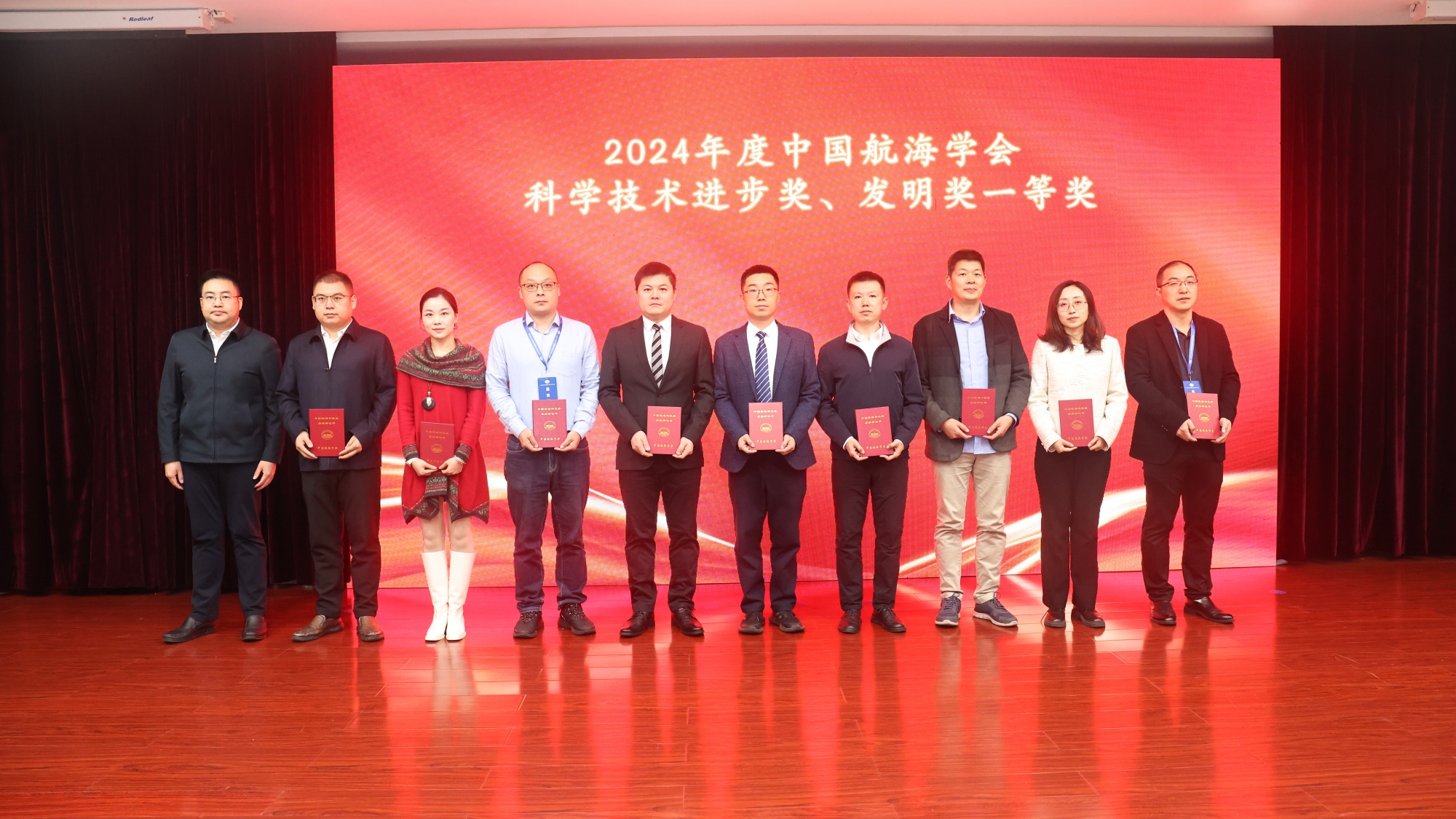
First Prize of 2024 Navigation Science and Technology Progress Award / Technological Invention Award
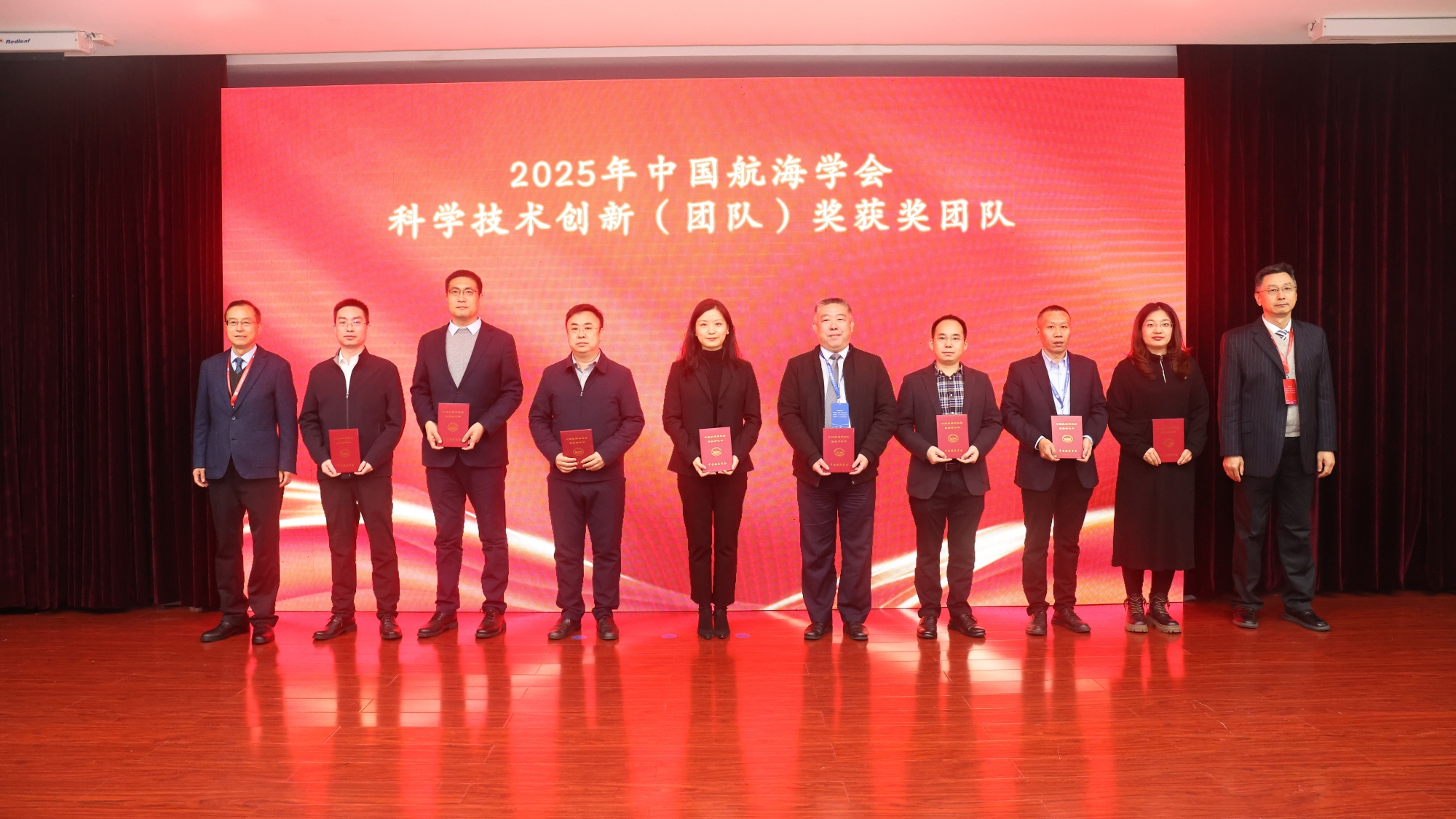
2025 Navigation Science and Technology Innovation (Team) Award
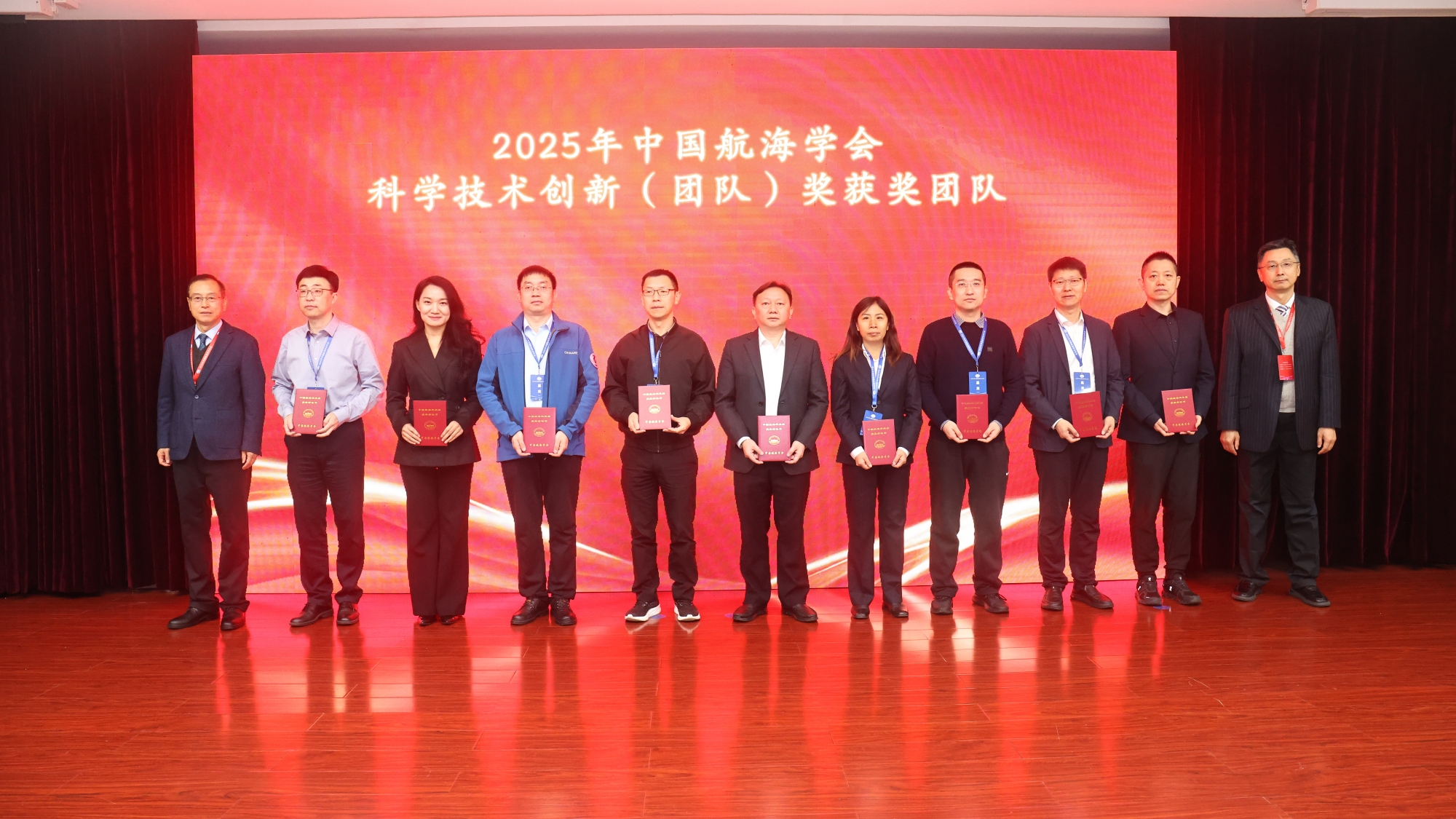
2025 Navigation Science and Technology Innovation (Team) Award

10th Youth Talent Support Program of the China Association for Science and Technology (CAST)
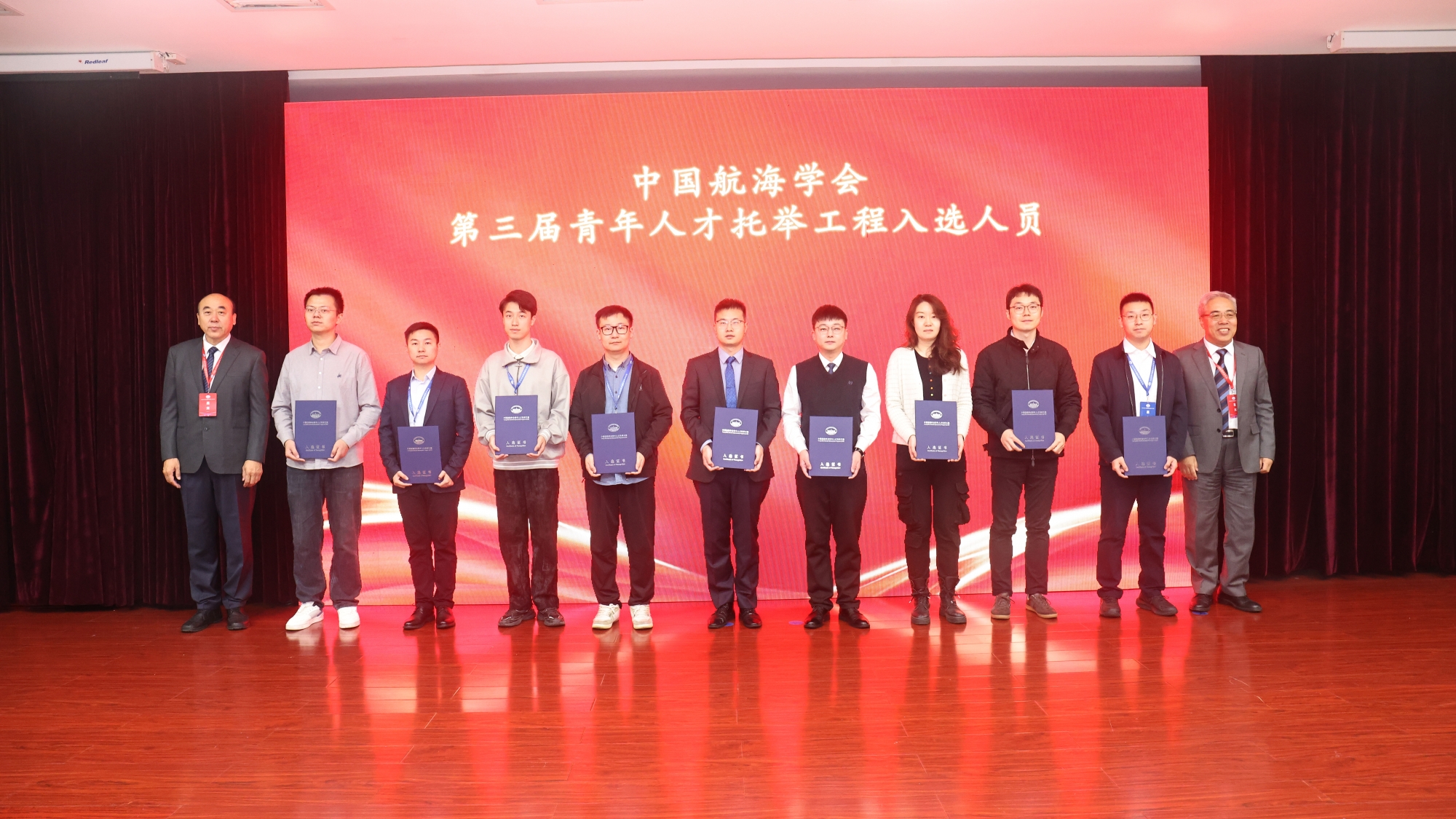
3rd Youth Talent Support Program of the Chinese Institute of Navigation (CIN)
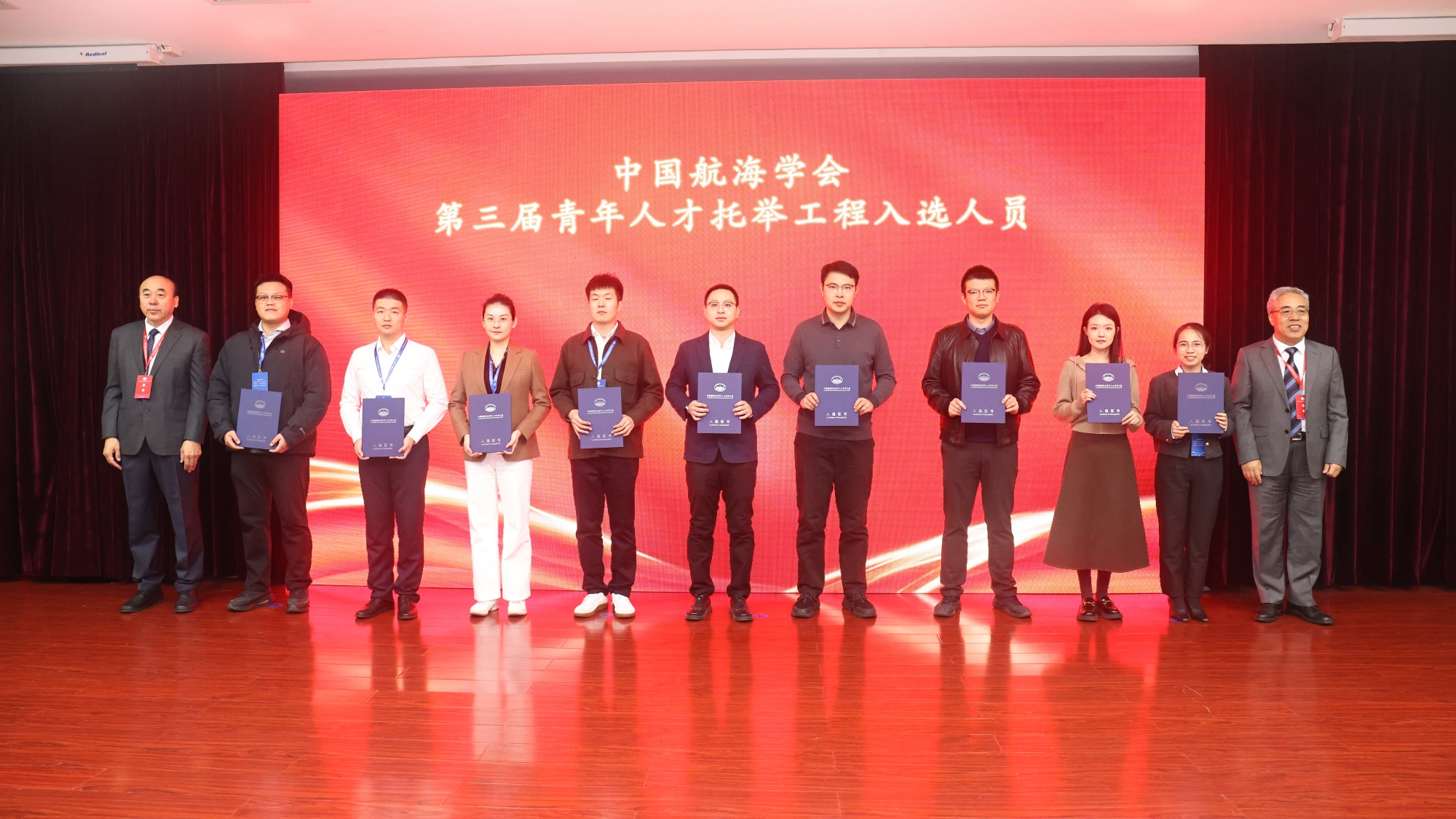
3rd Youth Talent Support Program of the Chinese Institute of Navigation (CIN)
The conference presented three awards, including the Special Prize and First Prize of the 2024 Navigation Science and Technology Progress Award, the First Prize of 2024 Navigation Technological Invention Award, and the 2025 Navigation Science and Technology Innovation (Team) Award. Certificates were also awarded to representatives selected for the 10th Youth Talent Support Program of the China Association for Science and Technology and the 3rd Youth Talent Support Program of the Chinese Institute of Navigation. Representatives of the Special Prize of the 2024 Navigation Science and Technology Progress Award and the 2025 Navigation Science and Technology Innovation (Team) Award shared the achievements and research highlights of their award-winning projects.