
With the refreshing breeze of early autumn and the Gan River flowing through Jiangxi, the 2026 Open Academic Exchange Seminar of the Ship Lock Professional Committee of the China Institute of Navigation was held in Nanchang, Jiangxi Province, on September 18. Hosted by the China Institute of Navigation and organized by its Ship Lock Professional Committee in partnership with Thinvent Digital Technology Co., Ltd., the seminar was themed "Smart Navigation for Safe and Efficient Passage."
The event brought together more than 140 experts and representatives from government agencies, research institutes, enterprises, and public institutions involved in the management and development of ship locks and ship lifts across China. Participants exchanged insights on key industry issues, including the safe operation and maintenance of ship locks, digital twins, artificial intelligence applications, the transition to green and low-carbon development, and major engineering projects. Discussions focused on pathways to high-quality development in China's navigation structures, supporting the country's efforts to become a leading power in transportation and shipping.
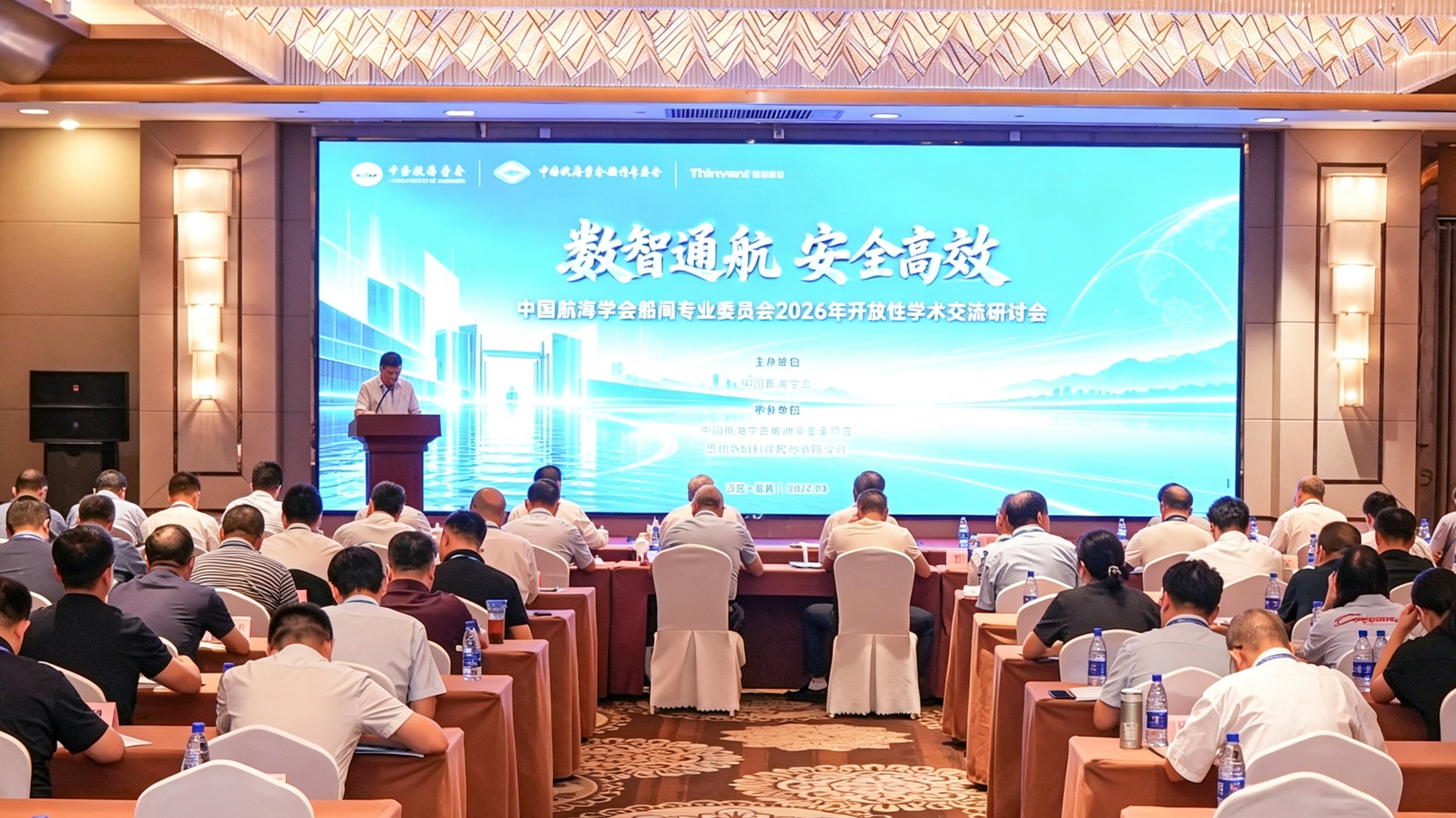
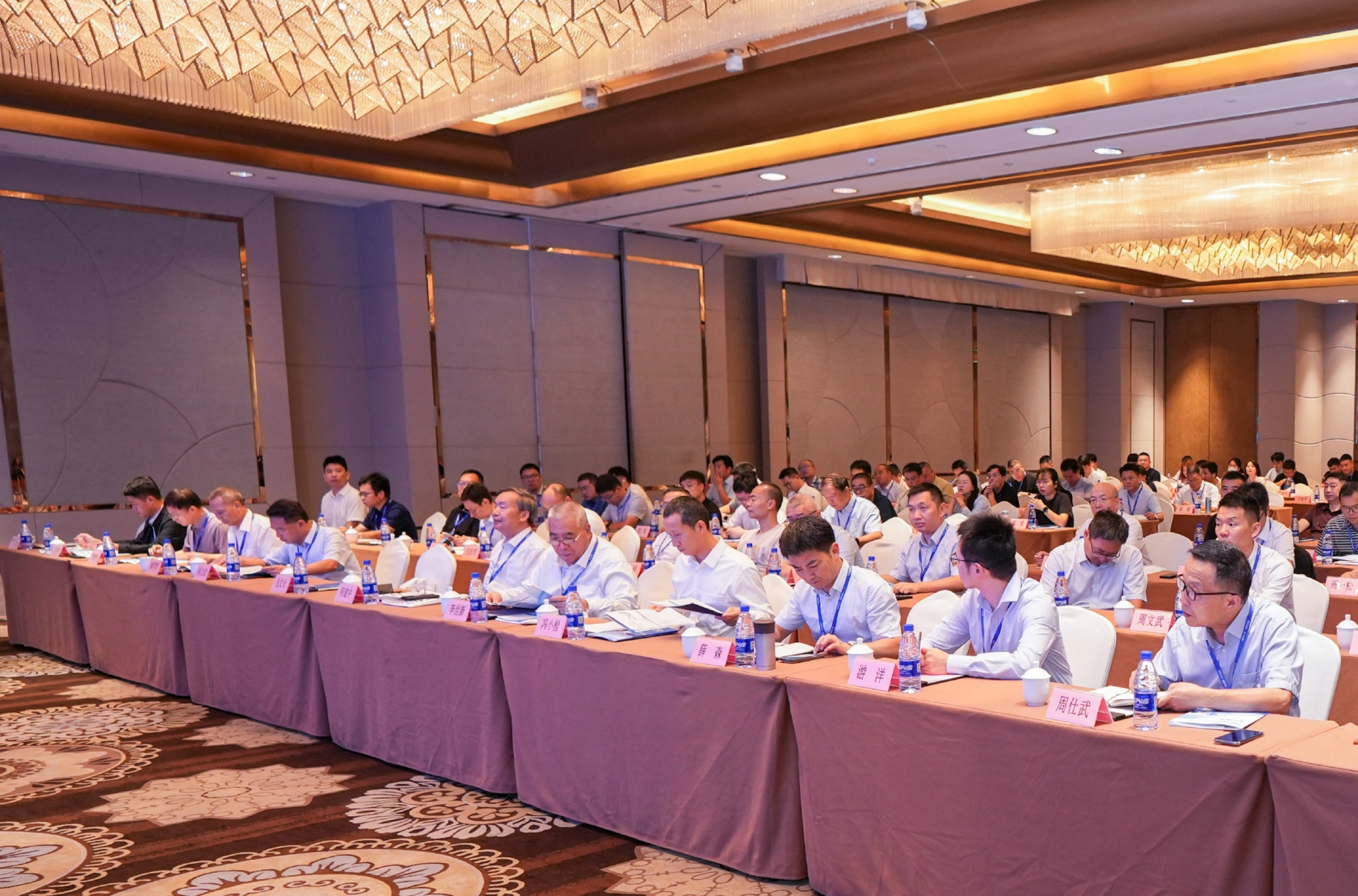
Attendees included He Jianzhong, former Vice Minister of Transport and President of the Ninth Council of the China Institute of Navigation; Li Shixin, Executive Vice President of the China Institute of Navigation; Bao Wenquan, Chair of the Ship Lock Professional Committee; and Feng Xiaojian, Deputy Director of the Three Gorges Navigation Authority, among other industry leaders and experts.
At the opening ceremony, Li Shixin delivered remarks on behalf of the China Institute of Navigation. He called for the thorough study and implementation of the important speeches of President Xi Jinping and for the full, accurate, and comprehensive implementation of the new development philosophy. He emphasized that this philosophy should guide all aspects of the industry's work, from serving national priorities and strengthening scientific and technological self-reliance to safeguarding safety, promoting green and low-carbon development, and advancing openness, coordination, and shared progress.
Inland waterway transport, he noted, is an essential component of China's integrated transport system, while ship locks and ship lifts serve as critical bottlenecks and connecting points along major waterways. China has one of the world's largest networks of navigation structures. By the end of 2025, the country had a total of 1,065 completed and under-construction navigation structures, including 1,016 ship locks and 49 ship lifts.
As 2026 marks the beginning of China's 15th Five-Year Plan period (2026–2030), favorable policy developments and major infrastructure projects are creating significant opportunities for the sector. Li outlined four priorities for its future development.
First, align industry development with national priorities and seize emerging opportunities. The sector should build on the realities of inland waterway transport, focus on improving capacity utilization and operational efficiency, and pursue greener and smarter development. It should also contribute actively to the development of China's modern, integrated transport network and foster new quality productive forces in line with local conditions.
Second, strengthen technological self-reliance and accelerate breakthroughs in core technologies. The industry should seize the opportunities presented by the national "Artificial Intelligence Plus Transportation" initiative and deepen the integration of artificial intelligence, big data, and other emerging technologies into the construction, operation, and maintenance of ship locks. These efforts should help establish Chinese ship lock technology as a globally recognized benchmark.
Third, uphold safety as a fundamental priority and advance green, low-carbon development. Safety is the lifeline of water transport. The industry must firmly uphold the principle of putting people and human life first, strengthen safety monitoring and emergency response capabilities for ship lock operations, and accelerate the development of modern ship locks that deliver high-quality services while embracing smart and environmentally sustainable technologies.
Fourth, deepen openness, coordination, and knowledge sharing to build collective momentum for innovation. Li also called on the Ship Lock Professional Committee to make full use of its role as a bridge between stakeholders, promote closer collaboration among industry, academia, research institutions, and end users, and contribute to a new chapter in the high-quality development of inland waterway transport.
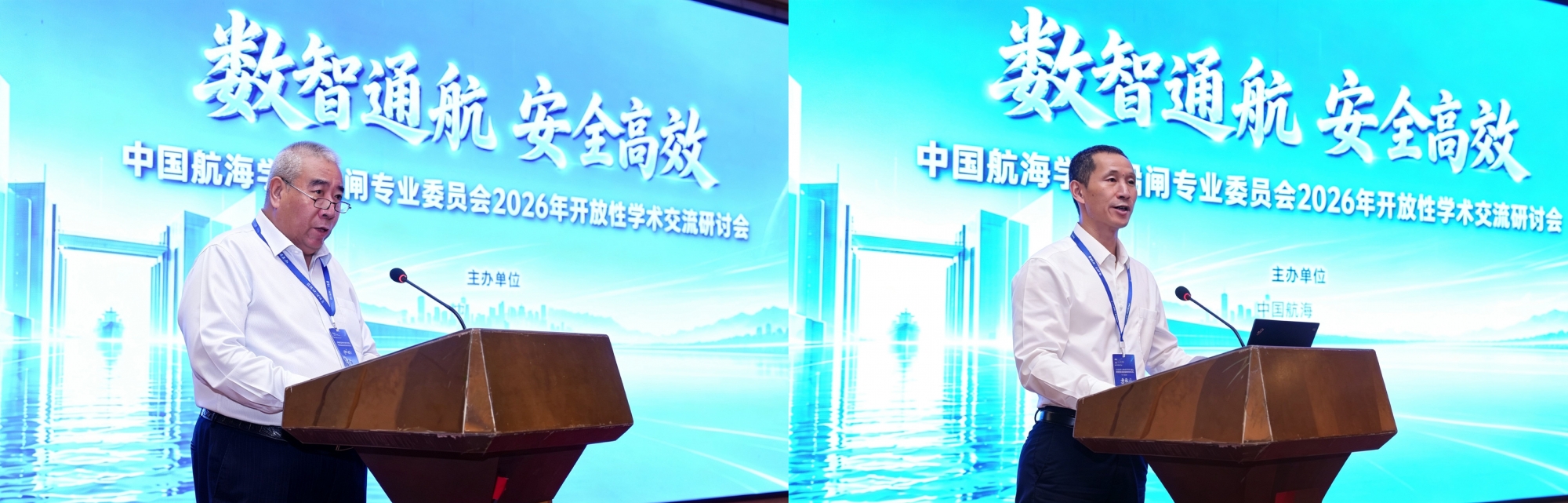
An address was delivered by Feng Xiaojian Deputy Director of the Three Gorges Navigation Administration, He notd that ship locks, as critical nodes of inland waterway transport, are indispensable infrastructure for building a modern inland waterway system. In face of a new round of scientific and technological revolution and industrial transformation, he called for all units to align with the "One Network, Four Transformations" development strategy, firmly advance along three key directions — safety first, digital-intelligent upgrading, and green transition — so as to reinforce the industry's safety lifeline, foster new momentum for digital-intelligent development, and establish a new paradigm for green development. As the host entity of the Special Committee, the Three Gorges Navigation Administration will continue to provide full support for the committee's work, join hands with industry partners in cultivating technology "testing grounds" and building industry "demonstration zones," and jointly promote high-quality development of the ship lock sector.
You Yang, Feng Xiaojian of SinoCreate Digital Technology Co., Ltd., representing the organizing entities, extended a welcome address. He stated that looking ahead to the 15th Five-Year Plan period, the company will continue to increase investment in smart ship locks and smart waterways, work alongside industry peers to solidify technology and deepen scenario applications, contribute technical strength to the high-quality development of inland waterway transport, to ensure full logistical support for the conference.
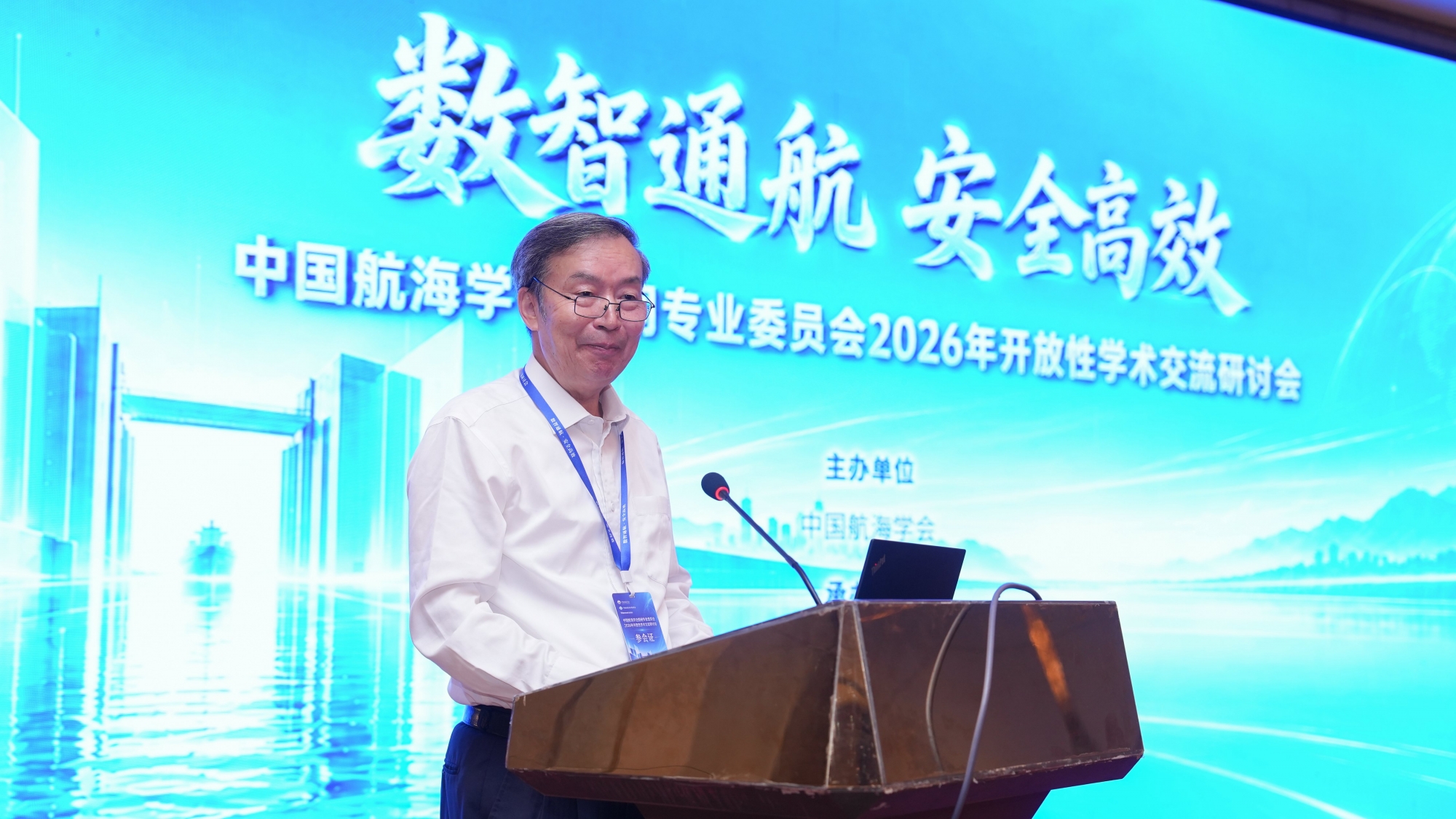
The conference invited He Jianzhong, former Vice Minister of Transport and Chairman of the 9th Council of China Institute of Navigation, who delivered a keynote speech entitled "Historical Experience and Development Trends of High-Quality Development of Navigation Structures in China." He Jianzhong emphasized the need to thoroughly study and implement General Secretary Xi Jinping's important instructions on accelerating the building of a transport powerhouse, systematically grasp and fully implement the new development philosophy, align with the theme of "Digital-Intelligent Navigation, Safety and Efficiency," to accelerate the cultivation of new quality productive forces, and to advance the high-quality development of navigation structures. He comprehensively reviewed China's journey from "following" and "running alongside" to "leading" in the field, and distilled three valuable historical lessons: first, pursuing independent innovation in "high-dam navigation" technology to break through physical limits, with the Three Gorges Ship Locks and ship lift marking China's world-leading position; second, enhancing passage efficiency through "integration, standardization, and intelligentization," leveraging multi-lock coordinated scheduling and a robust regulatory framework to unlock the full potential of existing facilities; and third, establishing a comprehensive safety management system to safeguard the bottom line of navigation operational safety, forming a multi-layered safety management framework encompassing structural integrity, equipment operation, vessel lockage, and emergency response. He also analyzed the practical challenges facing the industry, noting that some aging facilities suffer from inadequate performance, cross-hub coordinated scheduling remains difficult, safety risks are becoming increasingly diverse, digital transformation is uneven, and data silos persist. These challenges, he said, represent both pressures and focal points for driving the high-quality development of navigation structures.
He Jianzhong made a four-point outlook on the future development of navigation structures: First, full-domain and all-element digital twins to "foresee the future." A four-in-one digital twin platform integrating hydraulic structures, gates and valves, vessels, and hydrology and meteorology should be built to shift management from post-event handling to pre-event early intervention. Second, AI-enabled intelligent scheduling to move from "ships waiting for locks" to "locks waiting for ships." Vessel lockage organization should be optimized, a leap in the operating model should be achieved, and navigation efficiency should be comprehensively improved. Third, automated operation and unmanned inspection to reshape the operations and maintenance model. Technologies such as video AI recognition and underwater robots should be promoted to reduce labor costs and safety risks. Fourth, green, low-carbon and multi-source integration to expand the boundaries of navigation. Water-saving ship locks and low-energy ship lifts should be promoted to expand the boundaries of navigation development. He emphasized that "digital and intelligent navigation" is by no means a technology showcase, but a solemn commitment to ensuring the safe and efficient passage of vessels and cargo. It is necessary to continuously consolidate the sensing foundation, break through algorithm bottlenecks, improve institutional rules and standards, and fully implement intelligent scheduling, intelligent operations and maintenance, intelligent supervision, and intelligent services, so as to make navigation structures an intelligent hub for waterborne transport in the digital world and provide solid support for accelerating the construction of a transport powerhouse.
After the opening ceremony, the thematic technical report session commenced, during which five industry experts delivered presentations: Sun Zhifeng of Three Gorges Water Transport New Channel (Hubei) Co., Ltd. elaborated on the implementation path for major projects to empower Yangtze River shipping in capacity expansion and efficiency improvement, based on the construction practice of the Three Gorges Water Transport New Channel; Zhou Wenwu of the Yangtze River Three Gorges Navigation Administration introduced the practical application and development prospects of artificial intelligence technology in Three Gorges navigation scenarios; Yang Ning of Thinvent Digital Technology Co., Ltd. analyzed the current status and evolution direction of fully automated lock scheduling and operation technology; Song Chengtao of CCCC Xidi Technology (Wuhan) Co., Ltd. shared practical achievements of BIM technology in full life-cycle management of lock projects; and Wang Yi of Tsinghua University introduced innovative exploration of cosmic-ray detection technology in dam and mine inspection. The reports covered multiple dimensions, including major project construction, cutting-edge technology R&D, and innovative equipment applications.
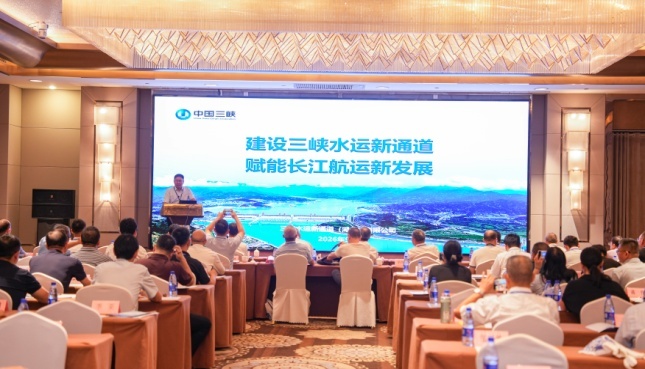
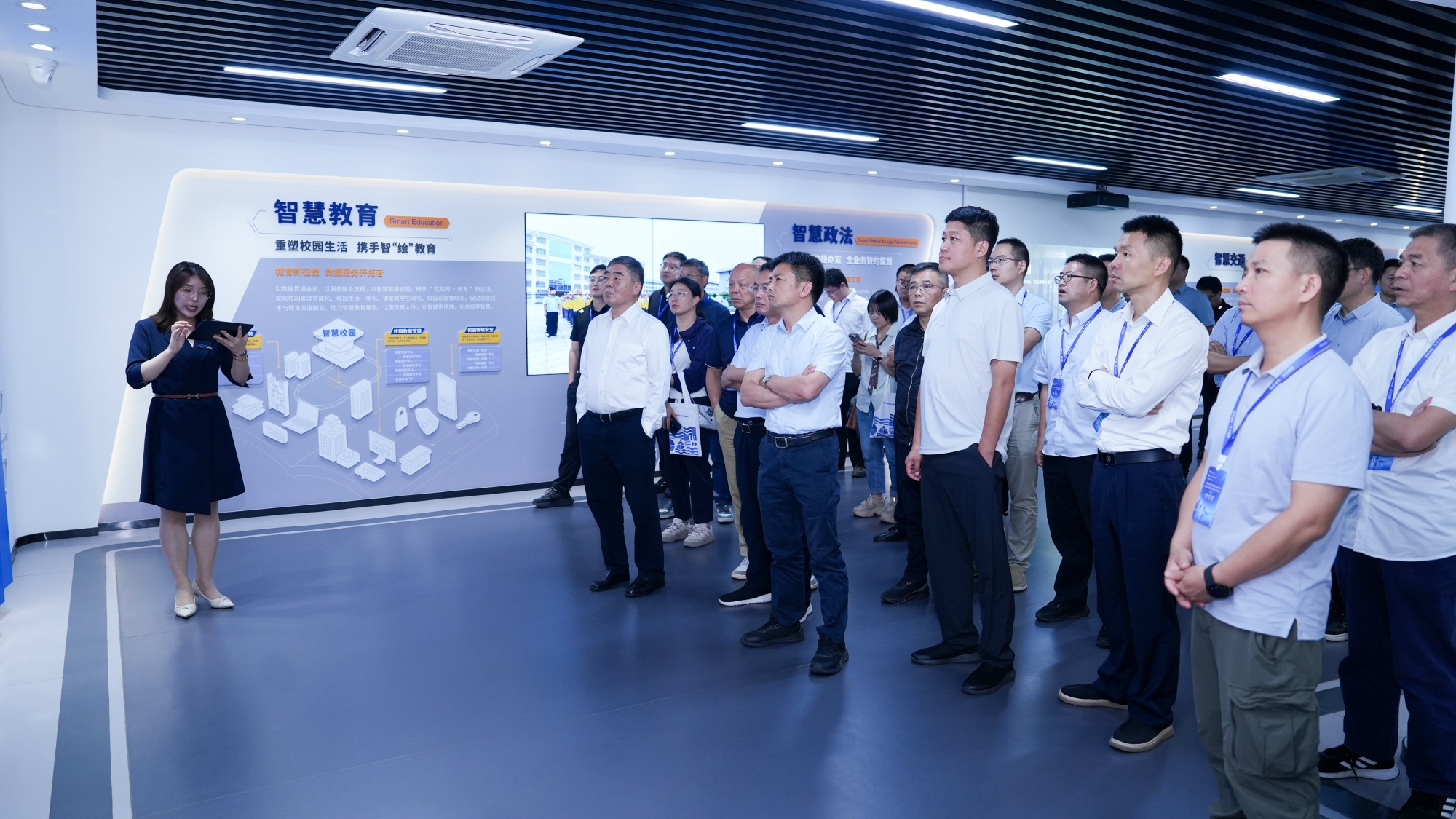
An invited-partner technical exchange session was held in the afternoon. Many experts attended the session, from Huashe Testing Technology Co., Ltd., China Railway Changjiang Transport Design Group Co., Ltd., Nanjing Changmiao Technology Co., Ltd., Wuhan Lidi Hydraulic Equipment Co., Ltd., Nanjing Surun Technology Development Co., Ltd., Weite Technologies Co., Ltd., Zhongshui Sanli Data Technology Co., Ltd., Hunan Yuanqi Zhixing Technology Co., Ltd., and other organizations. And they also delivered presentations on topics including full-lifecycle health monitoring of ship locks, key technologies for navigation structures on high dams in mountainous rivers, all-space-time intelligent digital-twin ship lock construction, digital empowerment of hydraulic equipment operation and maintenance, domestic upgrading of ship lock control systems, online monitoring of hoisting machinery and metal structures, key digital-twin ship lock technologies, and intelligent protection and early-warning systems for dam–vessel collision prevention. They shared a wealth of engineering practice cases and technological innovation achievements. After the session, delegates visited Sichuang Digital Technology Co., Ltd. for a field study to gain firsthand insight into the company's R&D and industrialization achievements in smart water transport information technology, and to observe the practical application results of its smart water transport informatization technologies.
As an important open academic exchange platform of the Ship Lock Professional Committee, this symposium focused tightly on the pressing issues of industry development, centered on the core theme of "digital-intelligent navigation, safe and efficient," and built channels for communication and collaboration among industry regulators, research institutions, universities, and market entities—effectively facilitating the exchange and mutual learning of cutting-edge technological innovations. Participants agreed that the conference content was practical and enriching, offering new ideas and solutions for addressing pain points and challenges in the ship lock industry. Going forward, the industry will continue to bring together forces from industry, academia, research, and application, accelerate the implementation of new technologies and new equipment in the field of navigation structures, and jointly promote China's inland navigation toward a smarter, safer, more efficient, and greener future.