
China Institute of Navigation Holds General Assembly and First Meeting of the 10th Council—Yan Xinping Elected President of the 10th Council
On October 26, China Institute of Navigation (CIN) held its 10th National Member Representative Assembly in Beijing, during which it reviewed the work report of the 9th Council and elected the 10th Council. Yu Junqing, Member of the Leading Party Members’ Group and Executive Secretary of the China Association for Science and Technology (CAST), and Fu Xuyin, Member of the Leading Party Members’ Group and Vice Minister of the Ministry of Transport, attended the conference and delivered speeches. He Jianzhong, President of the 9th Council, presented the work report. At the first meeting of the newly elected 10th Council, Prof. Yan Xinping—Chairman of the Academic Committee of Wuhan University of Technology, Director of the National Key Laboratory of Waterway Traffic Control, and Academician of the Chinese Academy of Engineering—was elected President of the 10th Council of the Chinese Institute of Navigation.
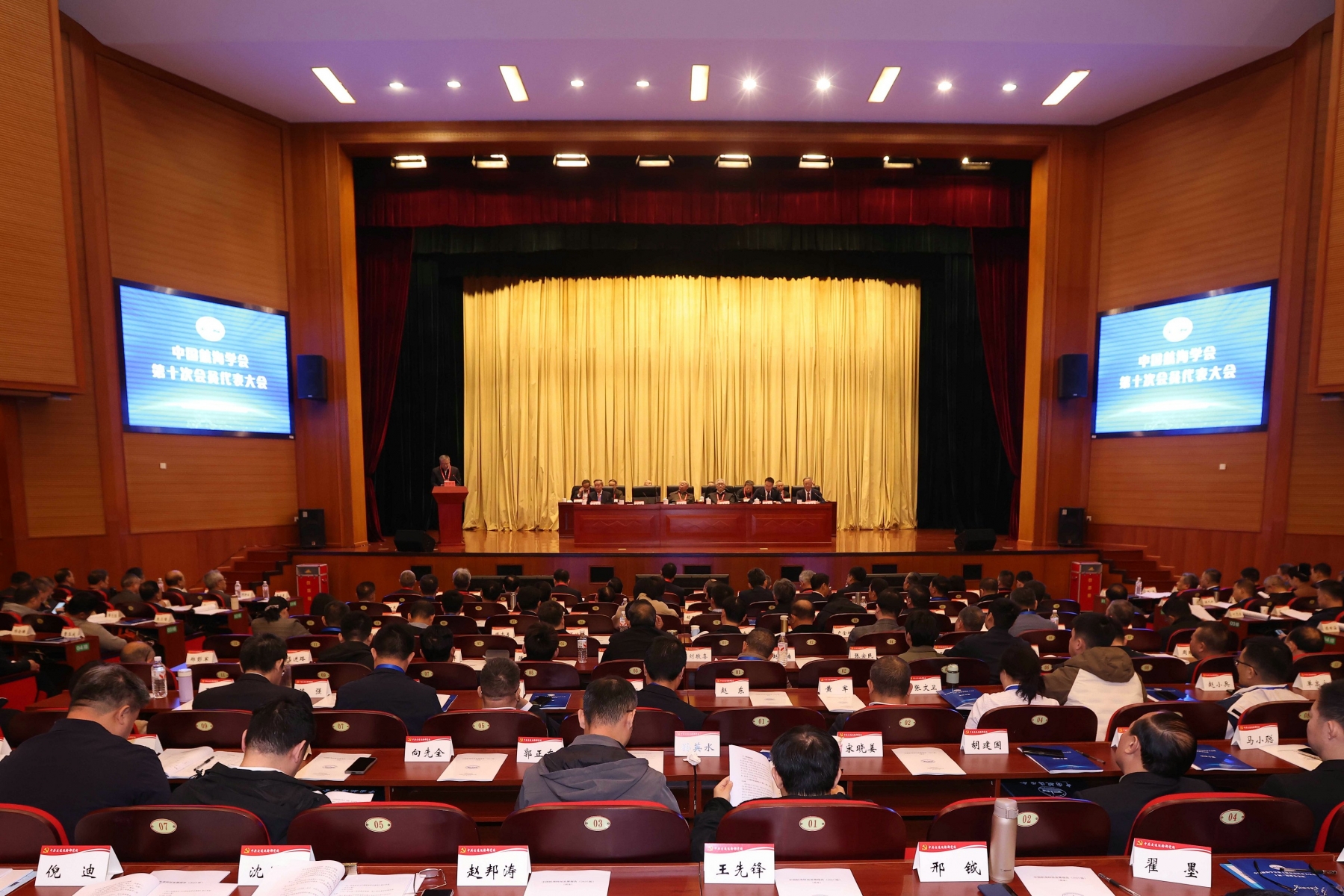
Experts from the CIN think tank and former senior leaders of the Ministry of Transport, including Huang Zhendong, Li Shenglin, Hong Shanxiang, Hu Xijie, Yang Limin, Gao Hongfeng, and Weng Mengyong, attended the assembly.
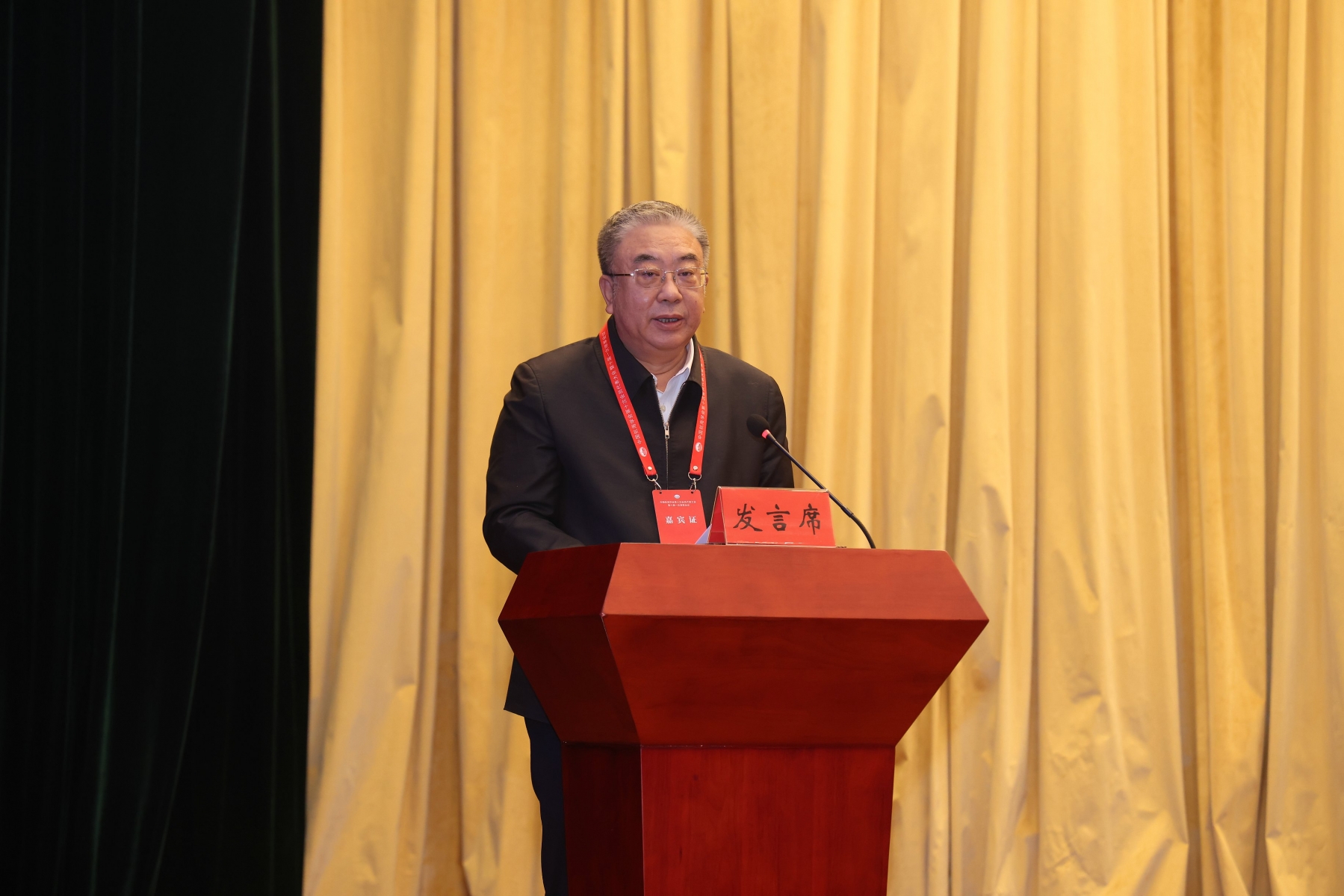
In his remarks, Yu Junqing expressed three expectations for CIN’s future development. First, to uphold the leadership of the Party and ensure the correct direction of development. He emphasized the need to integrate Party building, academic development, governance according to law, democratic management, and member services; to strengthen the functional positioning of the CIN Party Committee; and to ensure that it fulfills its key responsibilities of “upholding the political direction, promoting governance, supervising key members, and coordinating relationships among governance entities.” Second, to focus on national strategies and contribute to building China into a strong maritime nation. He called for strengthening fundamental research and breakthroughs in key technologies in the maritime field, promoting independent development of major maritime equipment, accelerating the transformation of scientific achievements and integration of industrial chains, and supporting the development of new quality productive forces. He also encouraged enhancing academic leadership by building high-level academic conferences and journal platforms, supporting young scientific talents, promoting maritime science popularization, developing a high-quality maritime think tank, and deepening international exchanges to enhance China’s global influence and discourse power in navigation. Third, to advance reform and innovation and build a world-class academic society. He urged enhancing support for leading maritime scientists, young professionals, and overseas talents; building a warm and trustworthy home for members; exploring development paths that align with CIN’s characteristics; and striving to build a world-class scientific association with Chinese characteristics.
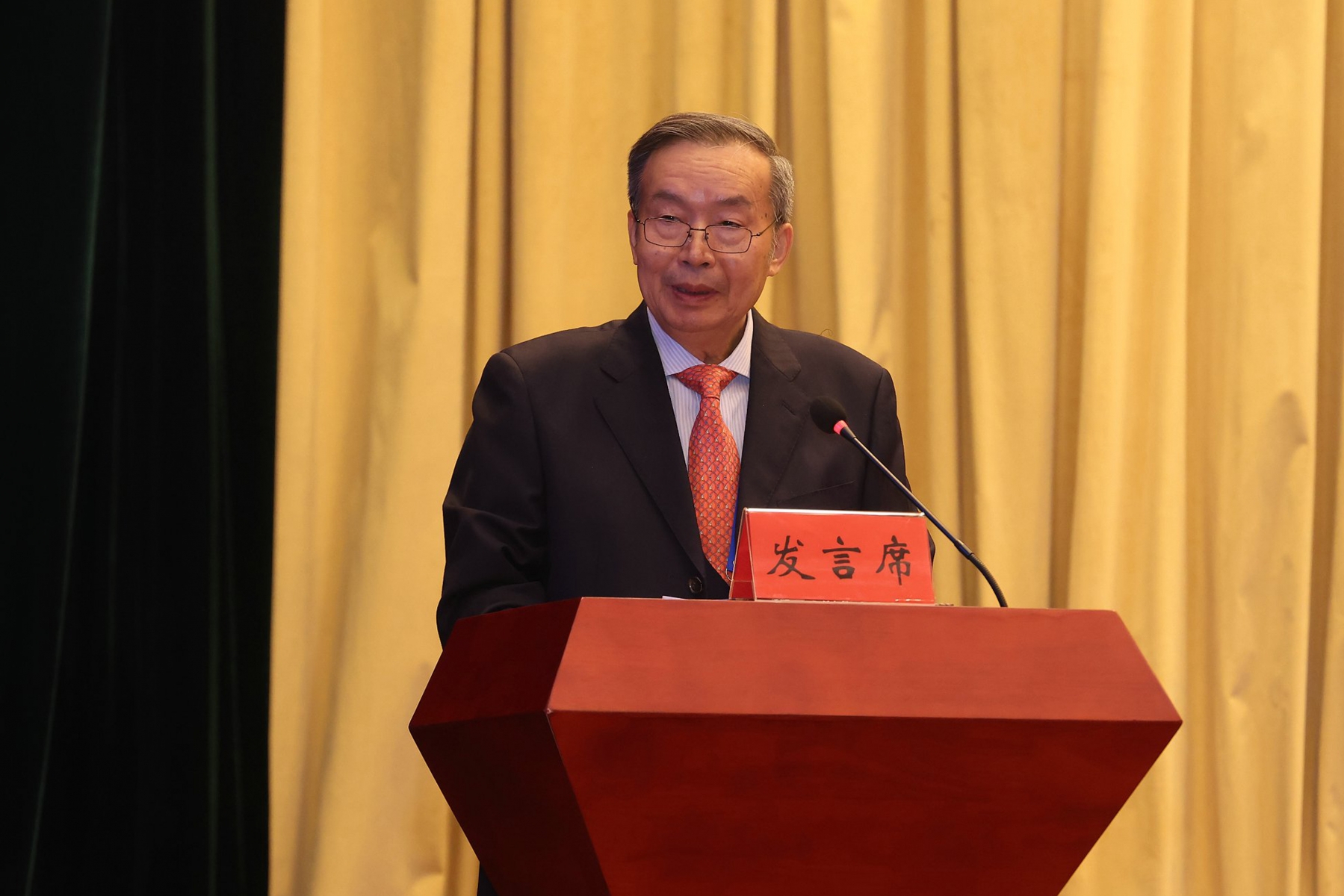
Fu Xuyin fully acknowledged the achievements made by CIN in recent years. He noted that since its establishment, CIN has consistently aligned itself with national strategies and the goal of building China into a strong maritime nation, and has made significant contributions in academic exchanges, scientific and technological innovation, integration of industry and research, and the inheritance of maritime culture. He expressed hope that CIN will continue to leverage its strengths in expertise and talent, establish first-class academic exchange platforms and scientific journals, broaden the scope and depth of maritime scientific development and international cooperation, and support the creation of more original and pioneering scientific achievements. He also encouraged uniting maritime science and technology professionals to accelerate breakthroughs and contribute to achieving high-level self-reliance in maritime science and technology and building an intelligent, green, safe, and efficient maritime transport system.
According to He Jianzhong, the Ninth Council, guided by Xi Jinping Thought on Socialism with Chinese Characteristics for a New Era, thoroughly studied and implemented the essence of the 19th and 20th National Congresses of the Communist Party of China, as well as the guiding principles from the National Science and Technology Conference, the National Science and Technology Awards Conference, and the Conference of Academicians of the Chinese Academy of Sciences and the Chinese Academy of Engineering. The Council adhered to the “Four Orientations” (facing world science and technology frontiers, the economic mainstay, national major demands, and people’s fundamental well-being) and implemented the “Four Services” (serving the country, the people, the scientific community, and the sustainable development of humanity). It remained steadfast in its beliefs, fostered unity and collaboration, pioneered innovation, deepened reforms, and made solid progress in building first-class learned societies with Chinese characteristics and on the world stage. These efforts aimed to bolster high-level self-reliance and strength in maritime science and technology, and to support the construction of a country with strong transportation, maritime, and shipping sectors. The society upholds the correct leadership of the China Association for Science and Technology, the guidance and support from ministries and commissions such as the Ministry of Civil Affairs and the Ministry of Transport, the strong assistance from various units and departments across sectors including transportation, maritime affairs, the navy, shipbuilding, and fisheries, and keeps the joint efforts of its broad membership and maritime science and technology professionals, having achieved new and solid accomplishments in various aspects, including Party building, academic exchanges, scientific and technological services, science popularization, talent cultivation, and internal governance. It had essentially established itself as a first-class learned society with Chinese characteristics with leading innovations, which is highly regarded by the industry, trusted by society, gaining great satisfaction among its members, and making solid strides towards becoming a world-class learned society.
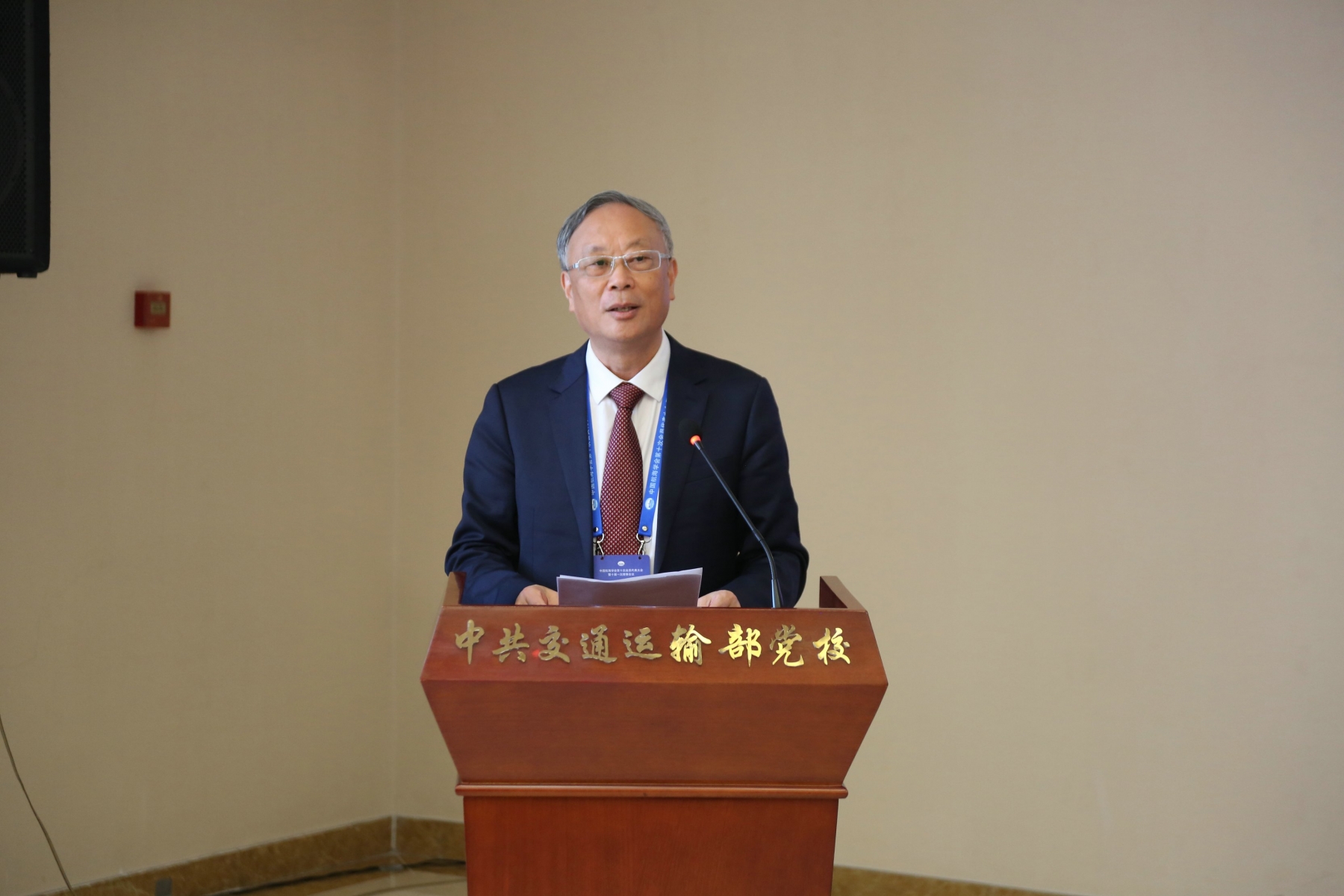
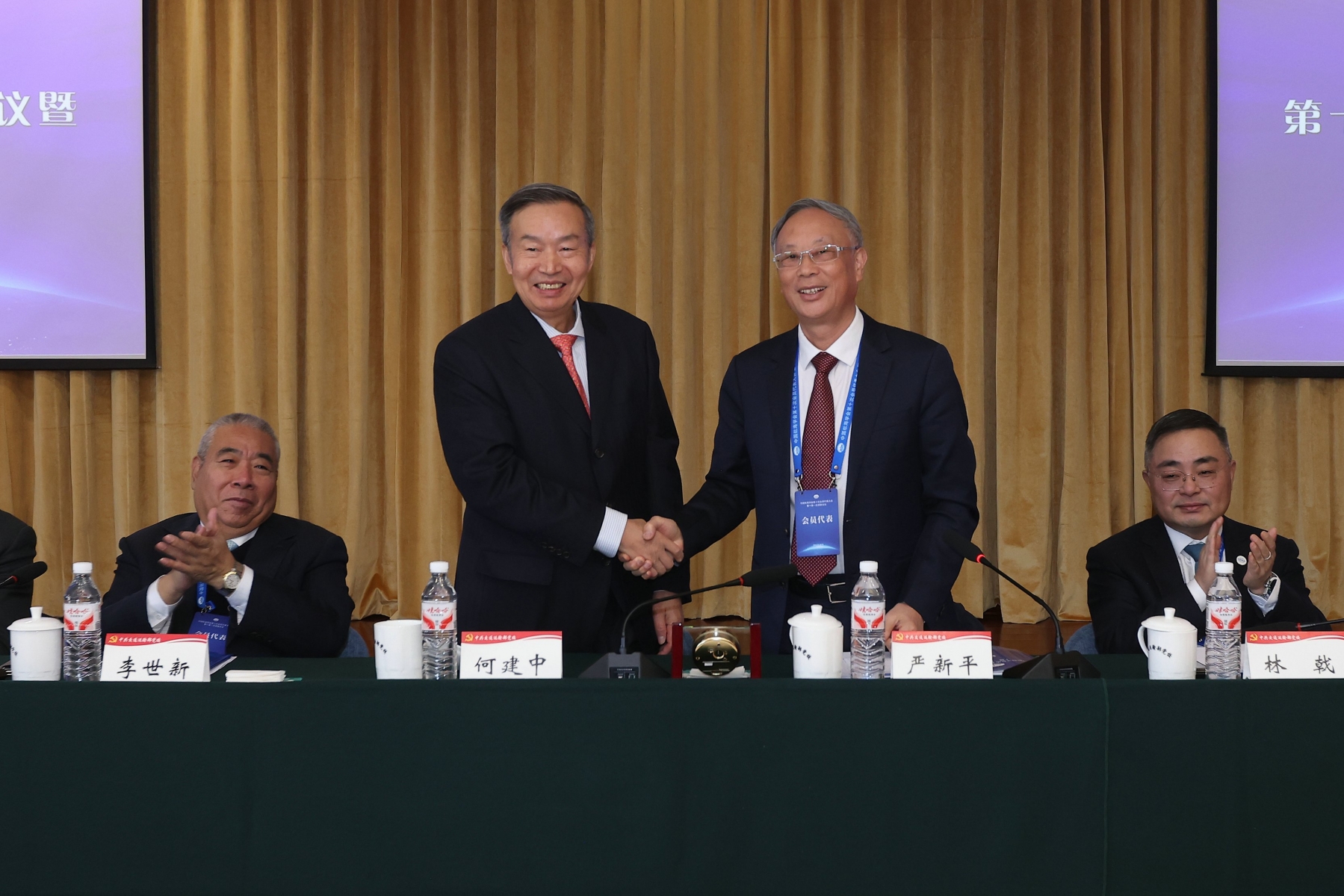
Yan Xinping expressed his sincere gratitude for the trust and support from the council members and memberships, and extended his highest respect and most sincere thanks to the previous councils of the society, especially the former chairman He Jianzhong. Yan Xinping noted that the society upheld the outstanding leadership of the ninth-term chairman He Jianzhong, and achieved remarkable accomplishments over the past six years, including the successful organization of the annual China Maritime Day main event, building of a diversified brand for international academic exchanges, and establishment of a first-class maritime science and technology journal. These recognized China’s maritime scientific and technological achievements, promoted public maritime science popularization activities, and strengthened the institutional development of the executive and branch offices. They also laid a solid foundation for the society’s sustainable and healthy development, as well as its goal of becoming a world-class organization.
Yan Xinping emphasized that 2026 marks the beginning of the 15th Five-Year Plan period. Standing at this new starting point and facing the new landscape and requirements of national development, China Institute of Navigation will focus its future work on two key areas. First, it will concentrate on its primary responsibilities and core missions, striving to enhance the institute’s academic influence which includes building high-end academic exchange platforms, continuing to host branded academic conferences, and further elevating the stature and academic impact of events such as the China Maritime Day Forum. It will also encourage and support various professional committees to conduct diverse and cutting-edge thematic academic activities during the forum. Additionally, the institute will promote exploration at the forefront of maritime science and technology, closely tracking global trends in the field, and organizing efforts to conduct forward-looking and strategic research in key areas such as green and low-carbon development, digital intelligence, and safety and resilience in the shipping industry. It will also facilitate the transformation and application of scientific and technological achievements by actively building bridges between technological advances and industry needs, promoting the application of advanced technologies in shipbuilding, ports, marine engineering, and other fields, and supporting industrial transformation, upgrading, and high-quality development. Furthermore, the institute will strengthen international exchanges and cooperation, expanding in-depth collaboration with international maritime organizations to enhance China’s voice and influence in the global maritime sector and effectively communicate China’s maritime story in the context of globalization. Second, the institute will align with the requirements for building a world-class organization and diligently fulfill the responsibilities entrusted by the China Association for Science and Technology. This includes strengthening ideological and political guidance, uniting and leading maritime scientists and engineers to closely align with the national development strategy; promoting public awareness of maritime science to foster a society that cares for and loves maritime endeavors; developing a high-level scientific and technological innovation think tank to provide high-quality and insightful intellectual support for government decision-making; deepening member services and talent development to build a hub for maritime professionals; and enhancing internal capacity building to boost the institute’s cohesion, influence, and vitality.

The attendants for the conference included Li Shixin, Executive Vice Chairman of the 10th Council of China Institute of Navigation, Vice Chairmen Lin Ji, Zhou Jingbo, Zhang Baochen, Wang Lei, Zhao Yan, Feng Yue, Dai Mingxin, Xu Minqiang, Chu Beiping, Supervisor General Mo Jianhui, Secretary General Liu Shun.
Founded in 1979, China Institute of Navigation has developed into an academic organization with sound organizational structure, extensive disciplinary distribution, and significant influence and authority over the past 46 years. It is an important social force for the country's development of maritime science and technology. Currently, the institute has 31 professional committees covering various disciplines and directions in the maritime field. It has established China Maritime Think Tank, High-level Expert Committee in the Maritime Field, Membership Working Committee, Maritime Science Popularization Working Committee, Young Experts Working Committee, andStandardization Working Committee. It boasts 668 institutional members, over 20,000 individual members, and more than 120 named national maritime science popularization and education bases. The institute actively participates in the work of international organizations such as International Federation of Navigation (IFN) and has established friendly cooperative relations with relevant organizations in many countries and regions. It hosts many key events, including China Maritime Day Forum, China Navigation Academic Annual Conference, Asian Navigation Academic Annual Conference, World Maritime Science and Technology Conference, and serial activities of National Maritime Science Popularization Season, which all turn into important platforms for promoting domestic and international maritime science and technology exchanges and cooperation, popularizing maritime knowledge, carrying forward maritime culture, and advocating the maritime spirit of the new era.