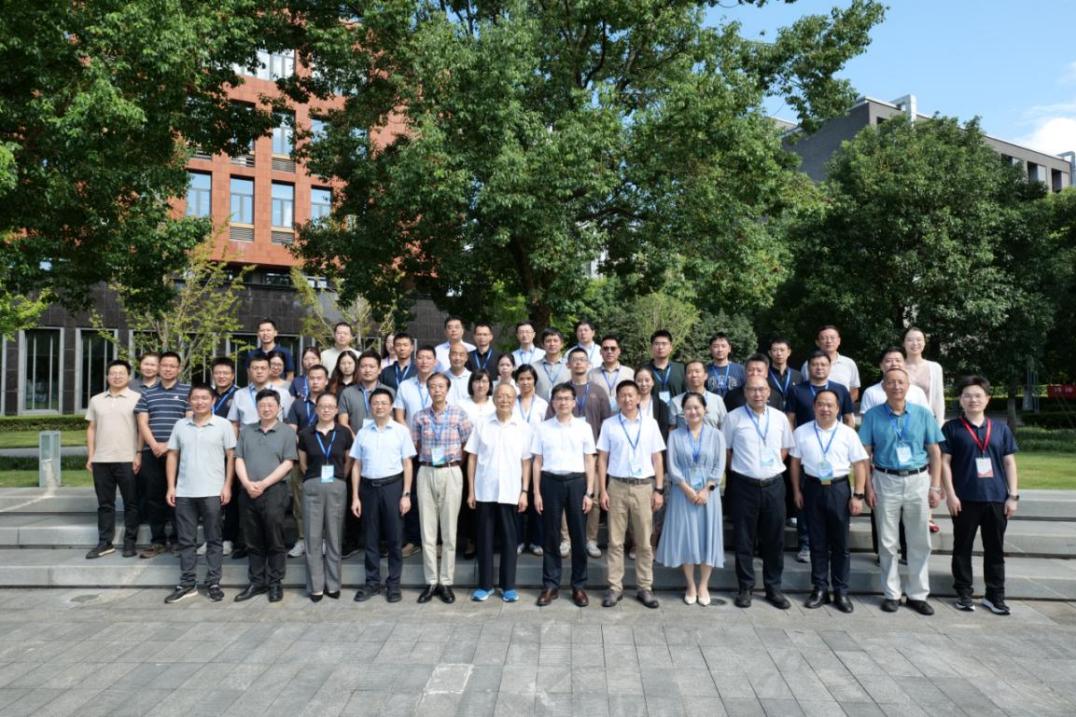
Successfully held in Ningbo on 24–25 September, the inaugural Forum on Key Materials for Polar Marine Equipment & 2025 Annual Conference of the Polar Navigation and Equipment Professional Committee of China Institute of Navigation(CIN) brought together nearly 100 specialists to chart the future of polar marine materials technology. Convened just two days after the milestone maiden voyage of the world’s first China–Europe Arctic Express container service on 22 September, the meeting underlines China’s systematic strategy of pairing route-opening with robust, home-grown equipment support across the polar domain.
9月24日下午2025中国航海学会极地航行与装备专业委员会学术年会由极地专委会主任委员黄嵘主持召开,中国航海学会秘书长刘顺、极地专委会委员单位代表,极地航行与装备领域相关高校和科研院所的专家,以及来自极地装备、极地船用产品设计研发制造等相关领域的企业单位代表参会。
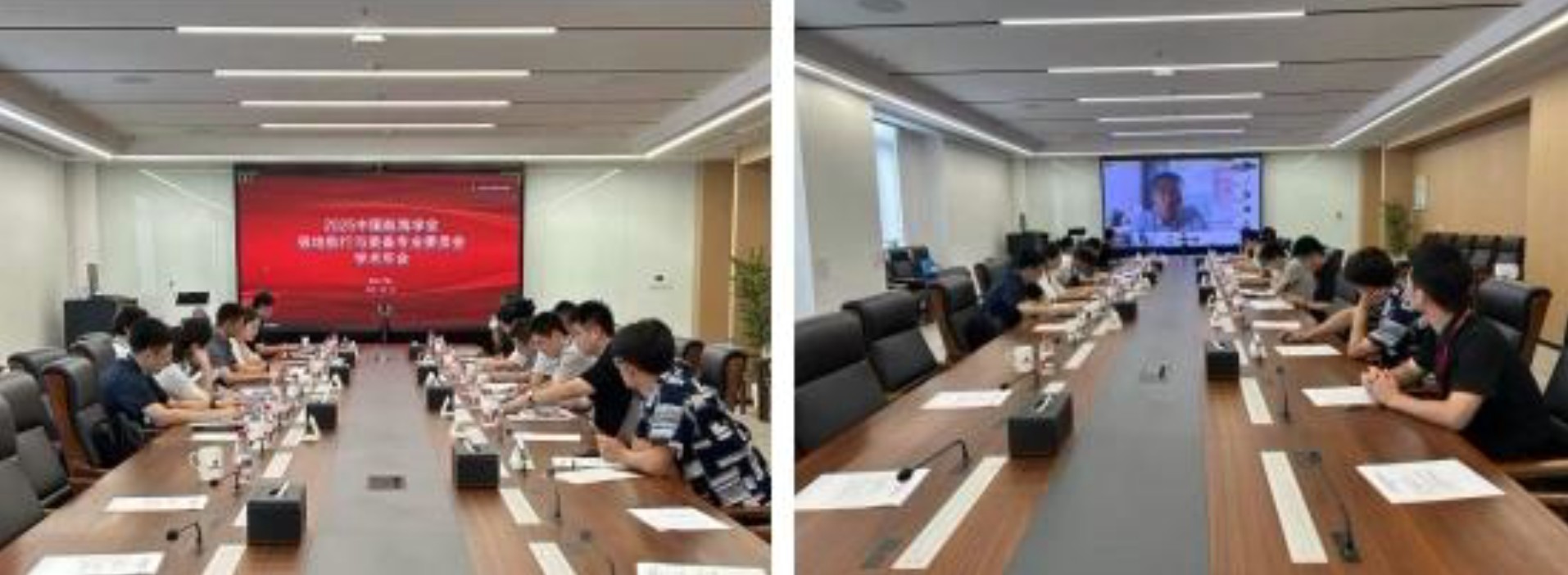
On the afternoon of 24 September, the 2025 Annual Academic Conference of the Polar Navigation and Equipment Professional Committee of CIN was chaired by Director Huang Rong. Attendees included Secretary-General Liu Shun of CIN, representatives from member organizations of the Polar Navigation and Equipment Committee of CIN, experts from universities and research institutes active in polar navigation and equipment, as well as delegates from enterprises engaged in the design, R&D and manufacture of polar equipment and polar-class marine products. In his address, Executive Secretary-General Liu Shun of CIN noted that the launch of the Forum on Key Materials for Polar Marine Equipment will give strong impetus to technological innovation in this field and represents a systematic step in the Institute’s own drive to upgrade its science-and-technology services. He outlined the Institute’s second-half priority of building a dedicated innovation-service system that will cover technology transfer, think-tank development, membership expansion and the preparation of major conferences. To this end, the Institute will intensify exchange visits, surveys and on-site tours at universities, research institutes and enterprises, further enhancing its service capacity and industry influence.
Huang Rong, Chair of the Polar Navigation and Equipment Professional Committee, stated that under the work plan of CIN and the strong guidance of its Secretariat, the Committee has remained committed to advancing polar navigation technologies and innovative polar-equipment R&D. Through the joint efforts of all member organizations and specialist colleagues, a large batch of cutting-edge scientific and technological achievements has already been delivered. With 2025 marking both the final year of the 14th Five-Year Plan and the drafting stage of the 15th Five-Year Plan, the Committee will deepen the statistical analysis and normative application of data on polar research, navigation technologies and equipment development, strengthen cooperation and exchange, and intensify studies on polar navigation, equipment and pollution prevention, thereby contributing to the growth of China’s polar undertakings and to the cultivation of young professionals.
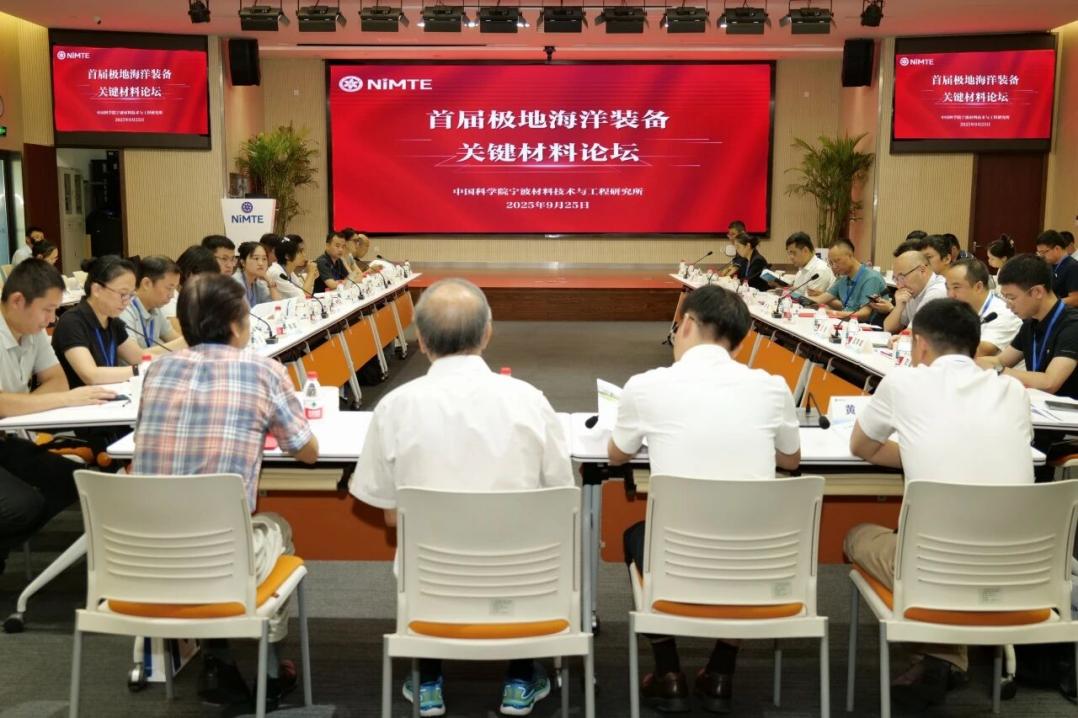
On 25 September, the inaugural Forum on Key Materials for Polar Marine Equipment was successfully convened. Centering on three themes—(1) multi-factor coupled degradation and protection mechanisms in polar seas, (2) durable anti-icing/corrosion-protection technologies for polar equipment, and (3) development and engineering application of key polar marine materials—the event was co-organized by the Polar Navigation and Equipment Professional Committee of CIN, the State Key Laboratory of Critical Marine Materials, Harbin Engineering University, Shanghai Maritime University, and State Key Laboratory of Metal Material for Marine Equipment and Application. Fourteen specialists delivered plenary lectures showcasing the latest research findings and engineering advances. Delegates engaged in lively discussions on the key scientific issues and technical challenges facing polar-material R&D and reached broad consensus on future directions for collaboration in the polar domain.
The forum has established a high-level academic exchange platform for China’s critical polar-materials sector and provides vital scientific and technical support for ensuring the safety and durability of equipment deployed on the Arctic shipping route and other polar operations.